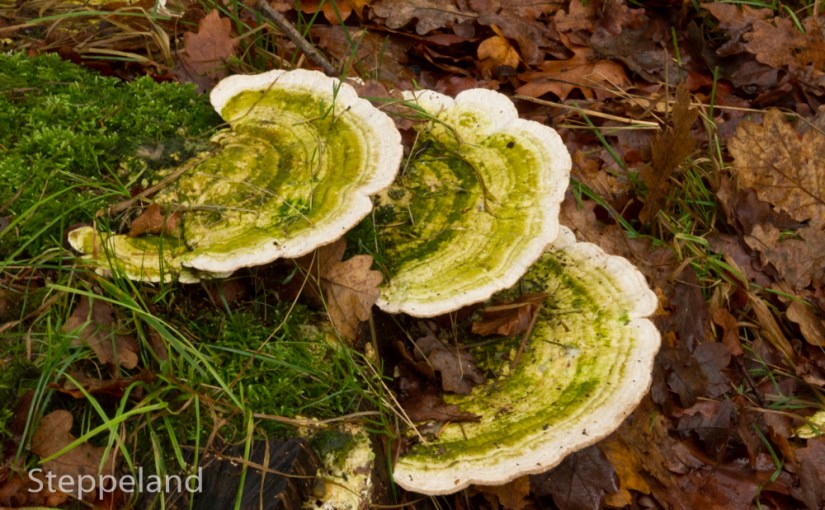
The testing panel day was great – I’ll tell about it more in the coming blogs…
For now, just let me show off some of the fungi shots I made today, using the Tamron 16-300 mm F3,5-6,3 DiII VC PZD zoom 🙂


The testing panel day was great – I’ll tell about it more in the coming blogs…
For now, just let me show off some of the fungi shots I made today, using the Tamron 16-300 mm F3,5-6,3 DiII VC PZD zoom 🙂
Deze blog post in het Nederlands (link)
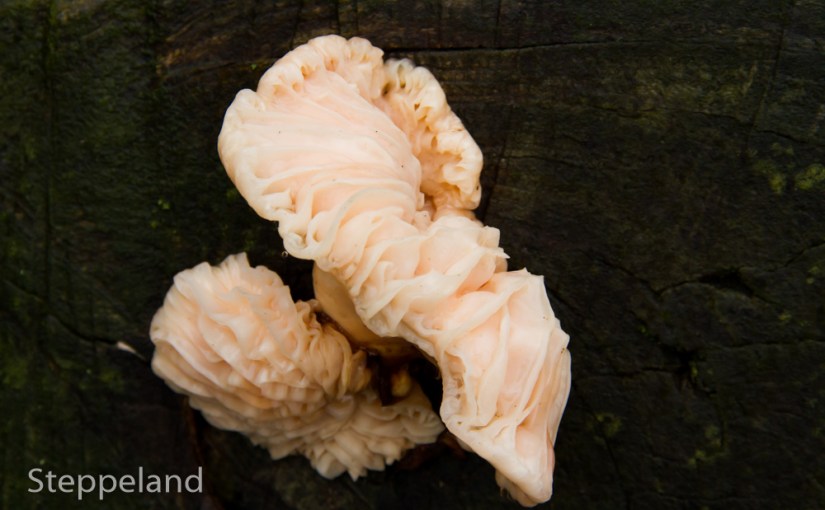
On the many cut tree trunks in the forest, there were a variety of mushrooms and fungi. This one in particular had a very strange, fascinating shape…
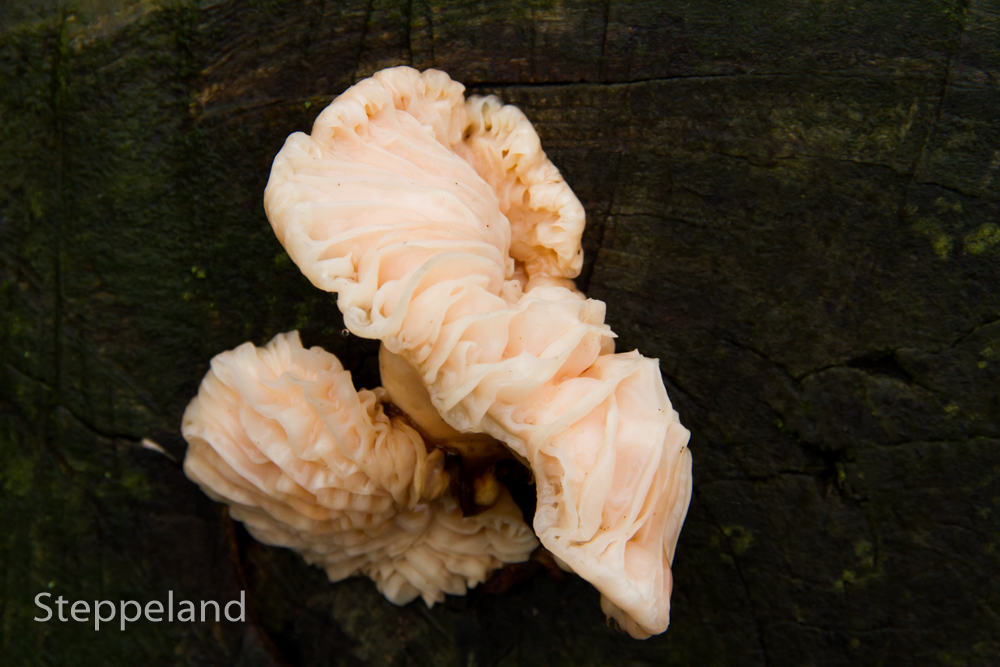
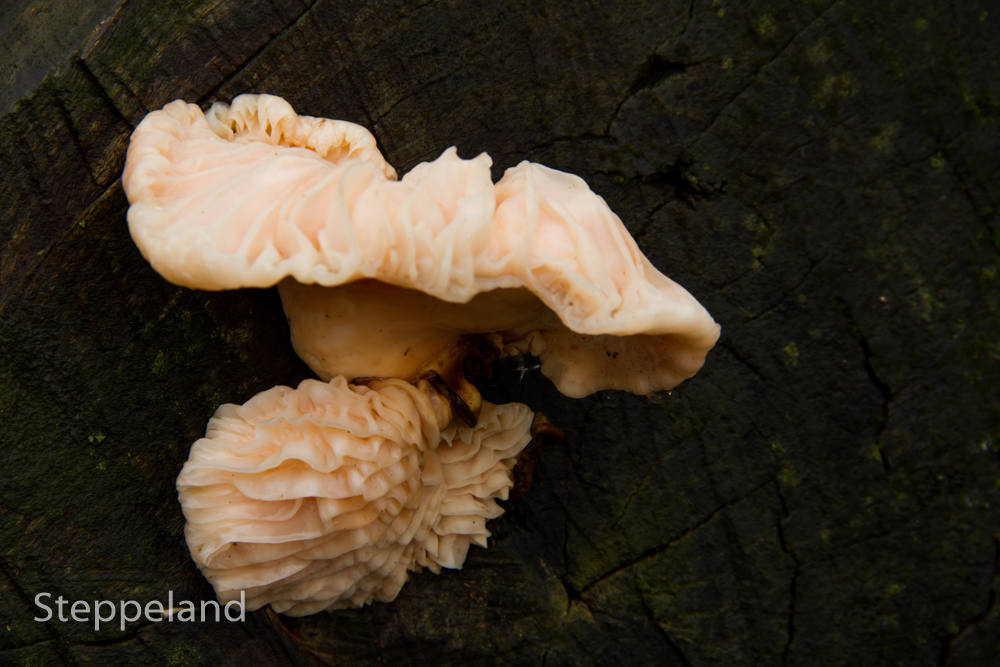
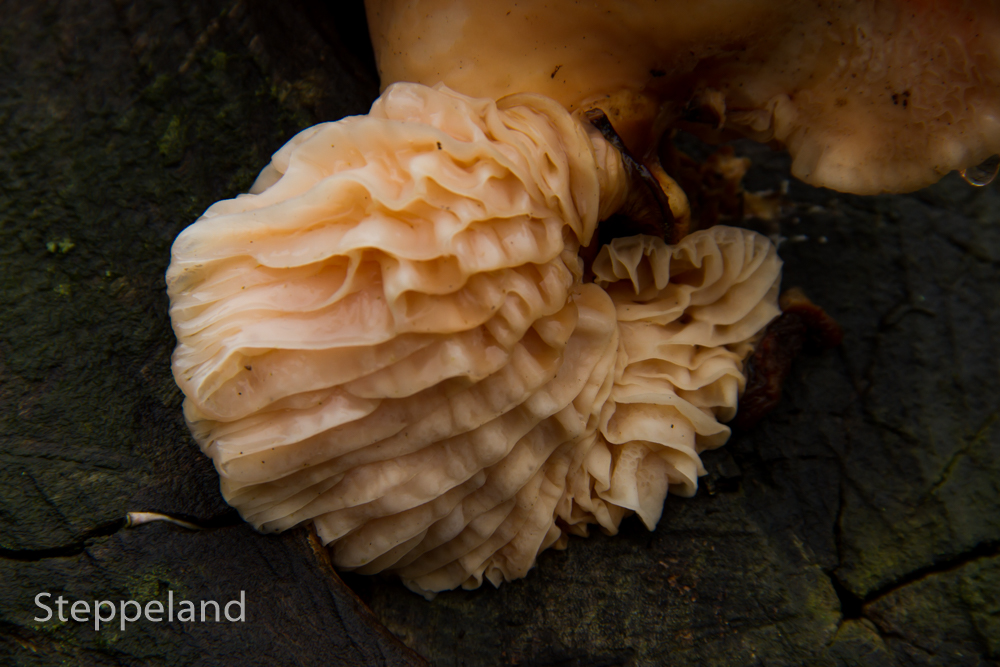
These photo’s were made in the W.H. Vliegenbos (W.H. Vliegenforest) in Amsterdam North, during the first test-photoshoot with the rented Canon EOS 7D camera
See my previous blog posts A new 6-day photography adventure and “The W.H. Vliegenforest, oldest city forest of Amsterdam – with a touch of Paris”
Deze blog post in het Nederlands (link)
The W.H. Vliegenbos (W.H. Vliegenforest) in Amsterdam North is the oldest city forest of the city council of Amsterdam. It was created between 1910 and 1918 on the initiative of the socialist councillor W.H.Vliegen, who wanted a forest close to Amsterdam for the workers to be able to go for a walk and enjoy nature.
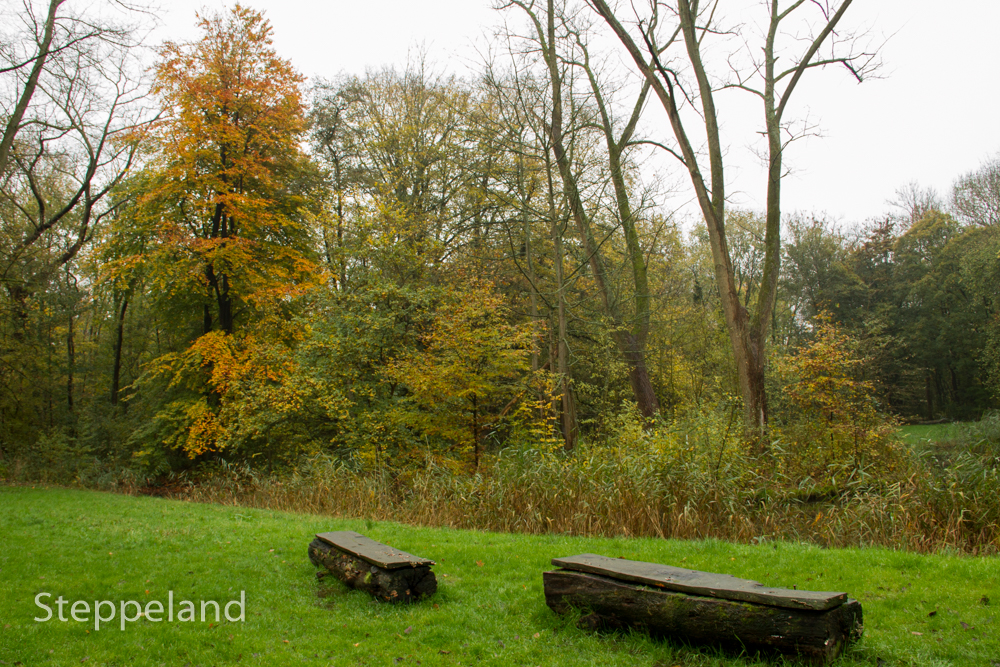
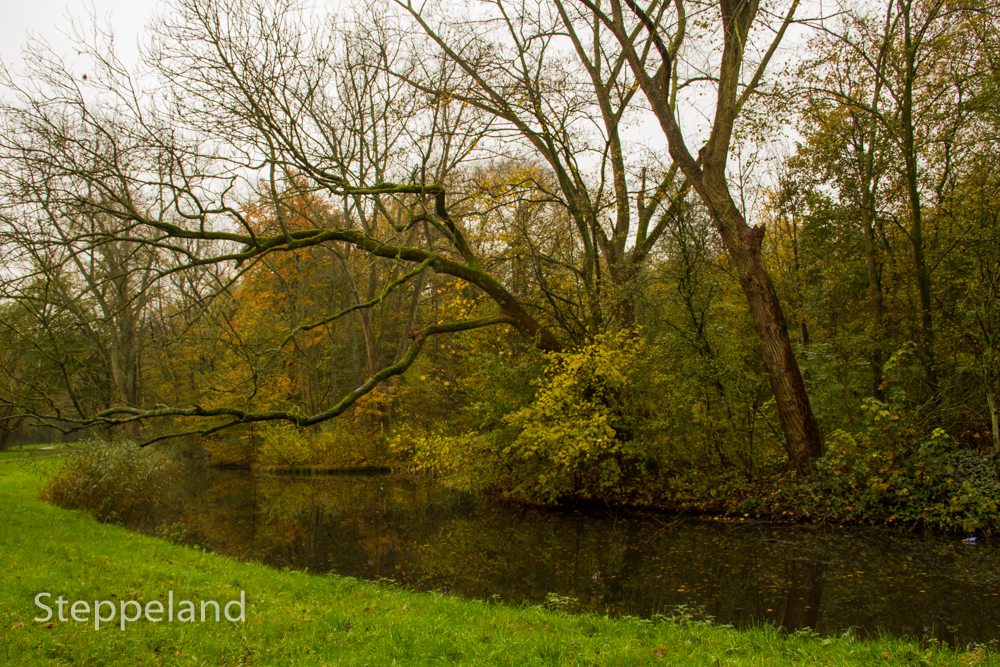
While the forest has some park-like elements, with an asphalted path and some benches and nice water features, for the largest part (about 15 ha) it is forest, existing of dry and wet Ash-Elms woods. Next to ash trees and elms it also has many poplars and maples, a great variation in structure, and a large diversity of trees, bushes and undergrowth . The remarkable high number of Elms in this forest is due to the very strict policies the city of Amsterdam observes with regard to the Elms disease. Because of this, the W.H. Vliegenbos is the largest still existing Elms-rich forest of the Netherlands, and maybe even of Western Europe.
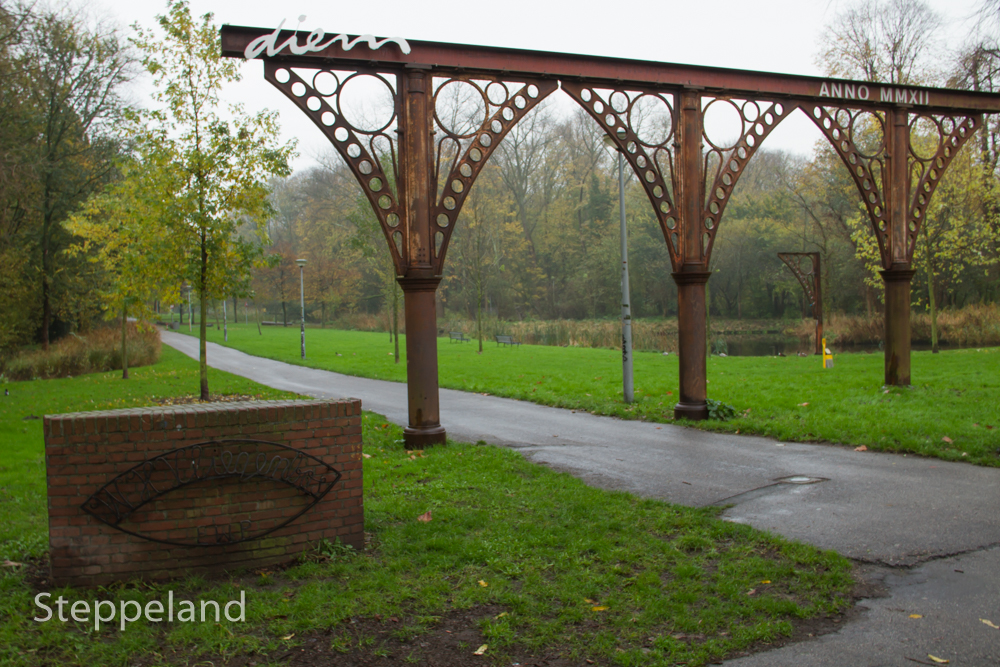
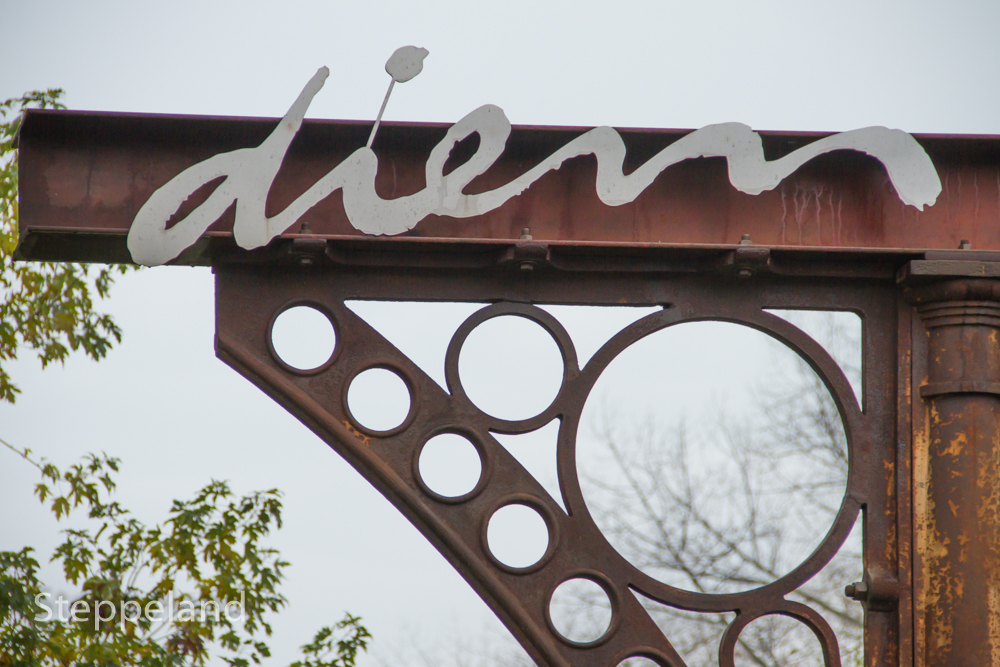
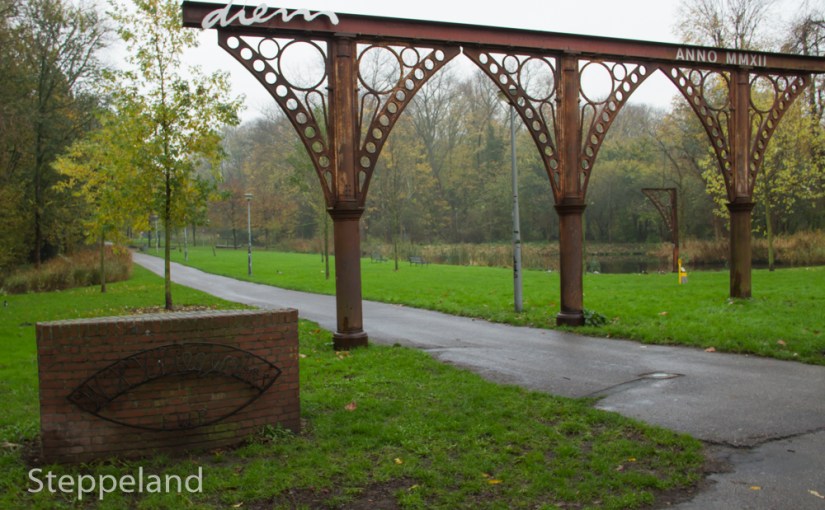
At the entrance of the Vliegenforest, some large cast-iron arches draw the attention. These arches originate from the old Parisian Market halls, that were demolished in 1971. The Amsterdam artist Peter Diem purchased some of those arches, and donated them to the city council. They were restored and now serve as a remarkable entrance to this city forest.
– All these photo’s were made during the first test-photoshoot with the rented Canon EOS 7D camera (see my previous blog post) –
Source: Nl.Wikipedia, Dichtbij.nl , Knbv.nl , En.Wikipedia ,
Deze blog post in het Nederlands (link)
Today is the first day of a new 6-day photography adventure…
Coming Wednesday, November 19, I’ll participate in a test panel of the Focus magazine, a Dutch photography magazine. They have invited a group of 12 of their readers for a 1 day meeting to test the brand new EISA Award winning zoom lens : the Tamron 16-300 mm F3,5-6,3 Di II VC PZD .
I applied to participate as soon as I read the invitation in the magazine, about two weeks ago, and was very excited to receive an email that I was selected as a possible participant. However, soon enough I would discover that I would not be able to participate with my own familiar Pentax K10 D camera. This new Tamron lens is only compatible with Canon, Nikon and Sony APS-C DSLR camera’s… Bummer!! So what to do?
For a moment, I thought of giving up on the idea of participating, but then I remembered that some time ago, for another reason, I had explored a little on the possibilities of renting a strong telelens for a few days, since I don’t have the budget to buy one. So, if it is possible to rent a lens, then probably it’s possible to rent a camera as well?
So I picked up the research again, and found a few companies in Amsterdam, that are renting out camera’s and other equipment. After long negotiation and emailing back and forth, the first company didn’t work out for me, and again, I almost gave up on the idea. But luckily, I decided to still contact the second company on my list, and there, all obstacles seemed to have disappeared as snow for the sun, and without any complications. And for a much more reasonable price too!! I could order a Canon EOS 7D camera complete with a 18-135mm zoom lens and hire it for a period of 5 days. This would give me the opportunity and time ahead to test and get used to the camera first, before participating in the testing of the new Tamron zoom lens.
So, to make a long story short, this morning I went to pick up the Canon EOS 7D and have been spending a few hours for a hike in the Vliegenbos (VliegenWoods) in Amsterdam North to start trying it out right away. How exciting!! This camera definitely is a higher class camera than my Pentax K10 D, and it’s such a challenge to figure out how it works, and how to get the settings right. And although there is still quite some studying to be done, some of the pics today turned out to be quite nice, so I hope it will only get better in the few coming days, as I continue to get more familiar with the camera.
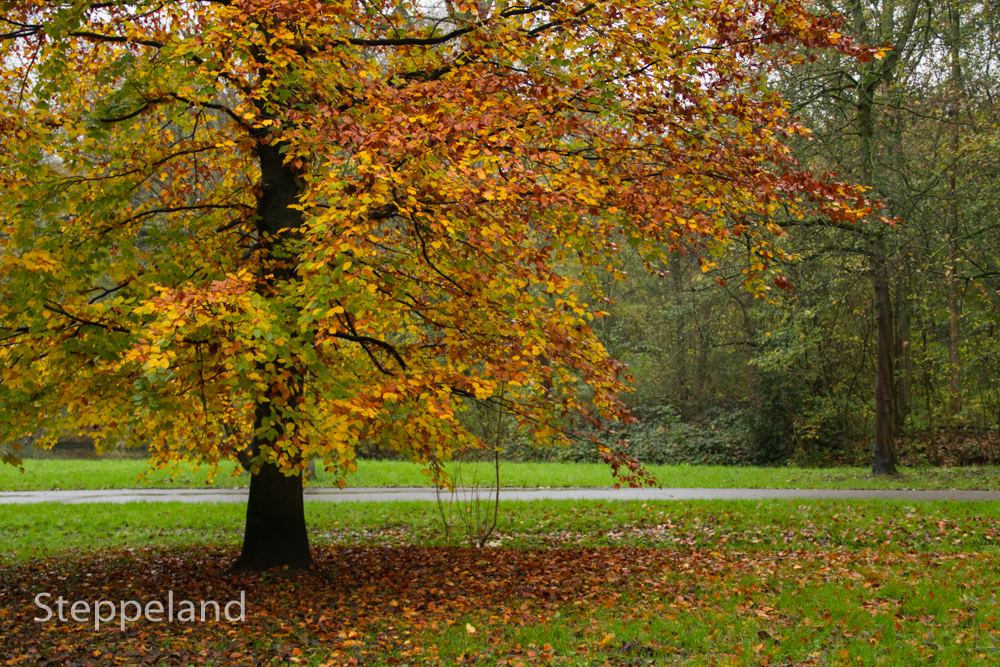
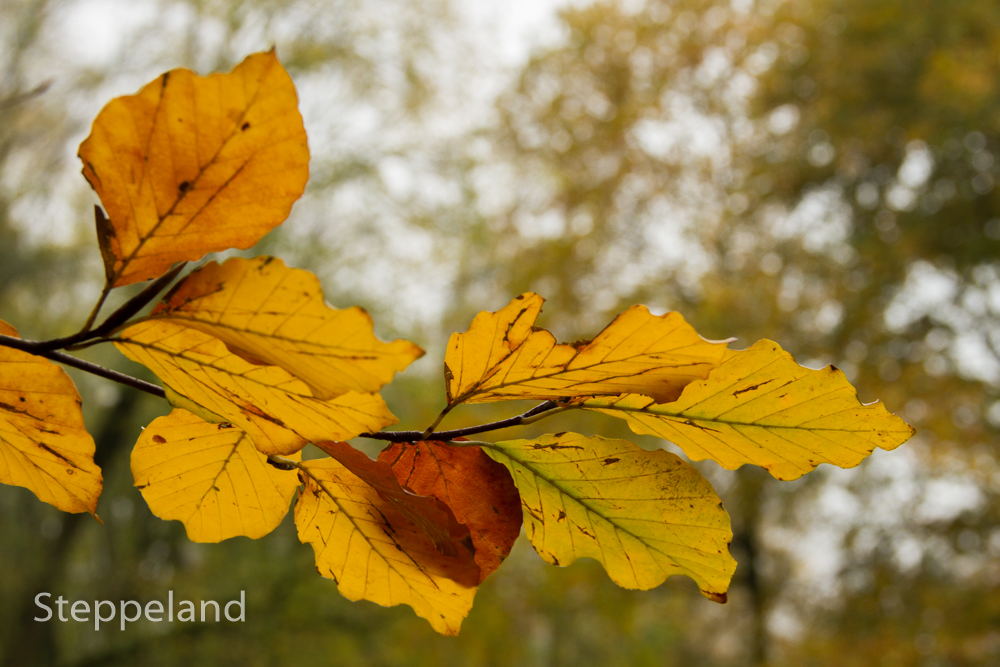
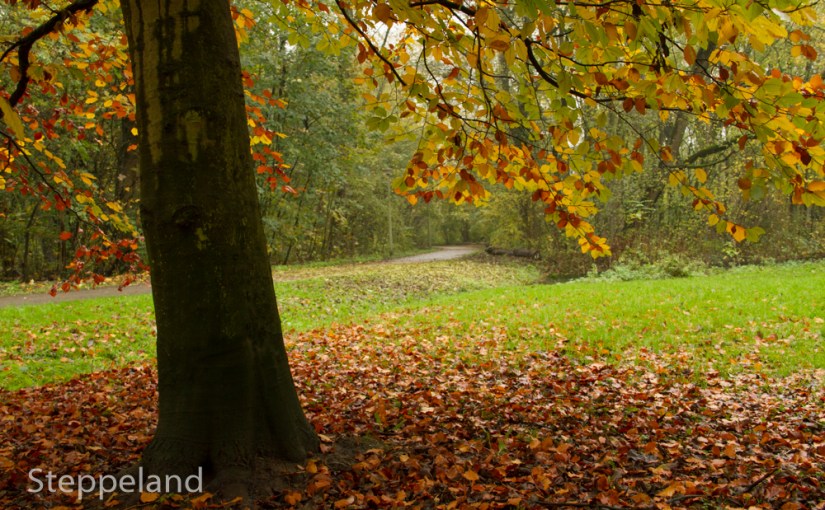
So here you go for the first few pics made with the Canon EOS 7D. In a following post later on, I’ll tell a little more about the location, the Vliegenbos in Amsterdam North (Netherlands) – For now, enjoy my first autumn images made this year!

Deze blog post in het Nederlands (link).
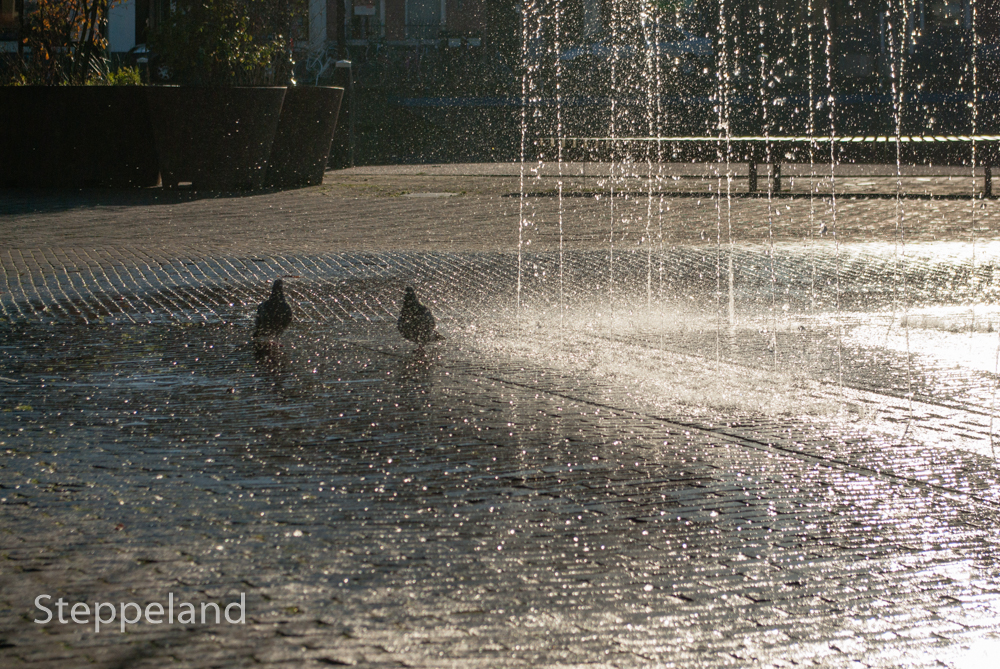
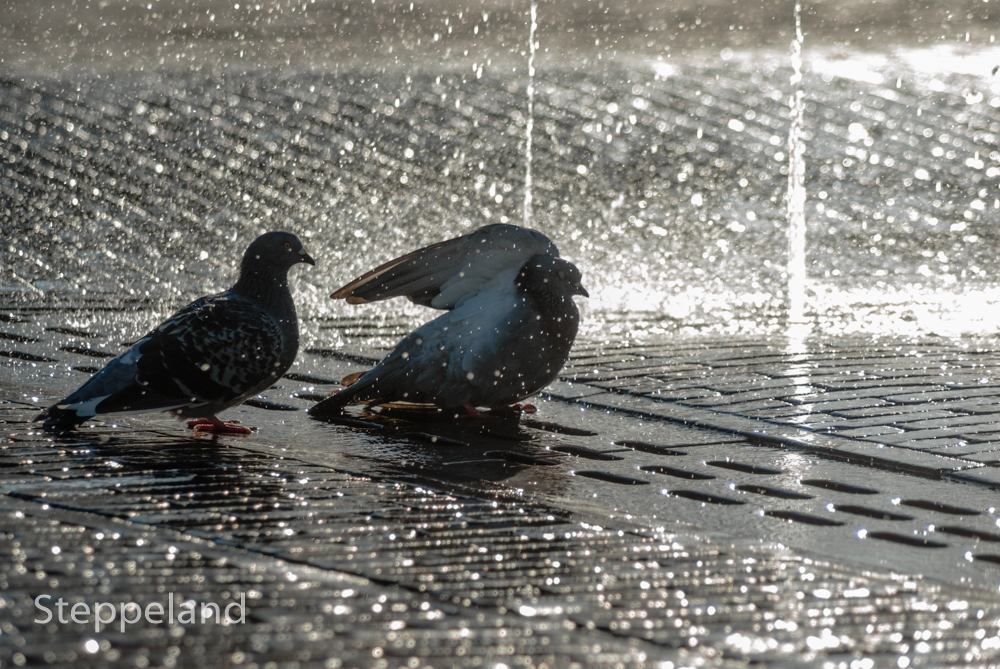
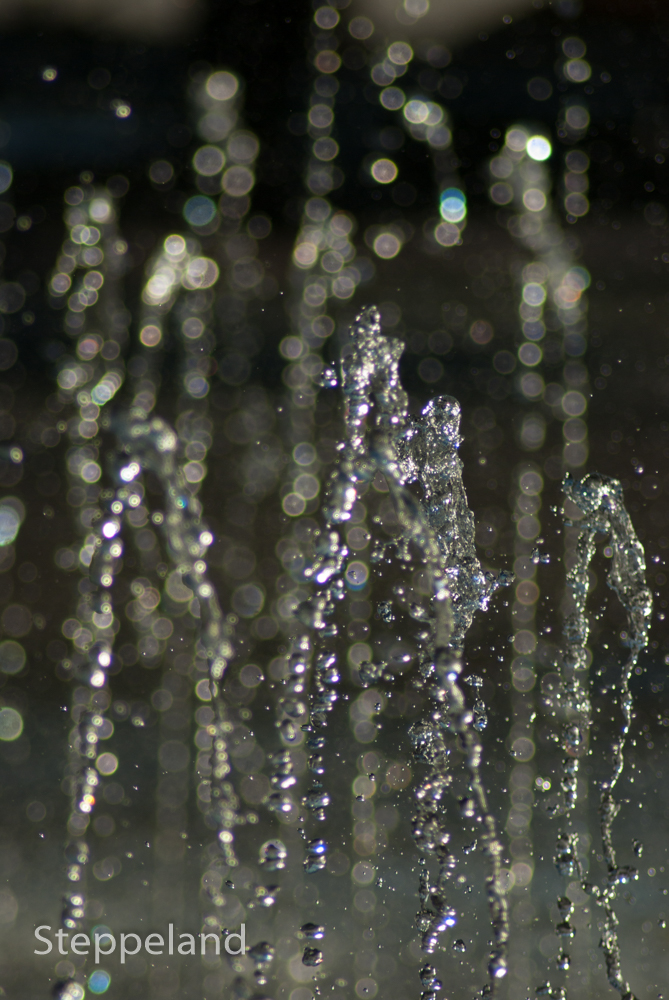
Early morning in Leiden, the Netherlands. A fountain on the Beestenmarkt. Low sunlight, and some pigeons. With a little fantasy, one doesn’t need much to make a fairytale 🙂 . Feel free to add your own version of the conversation 😉 .


Deze blog post in het Nederlands (link).
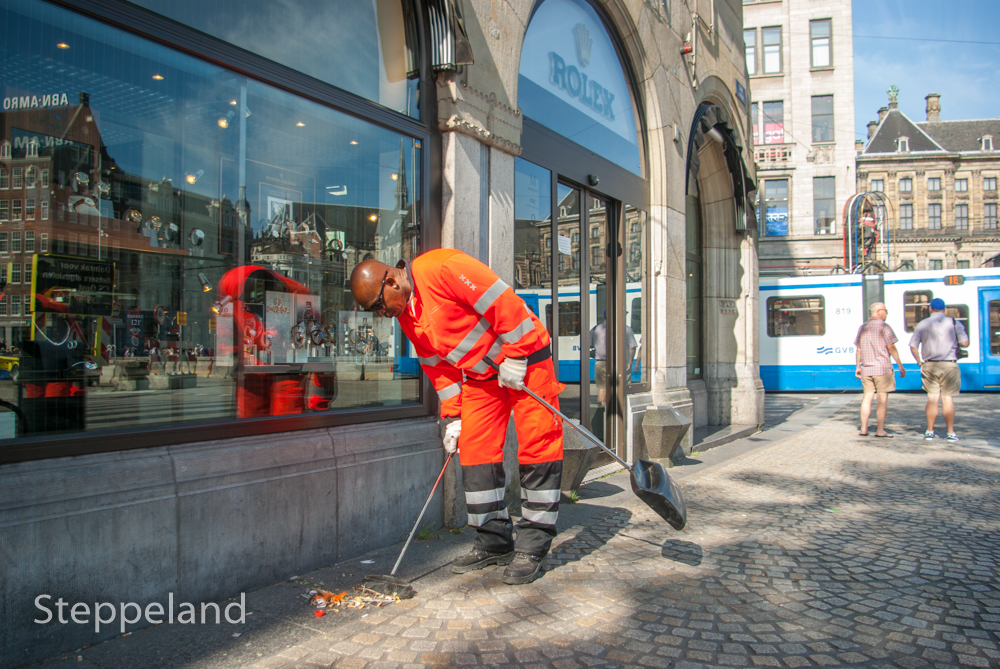
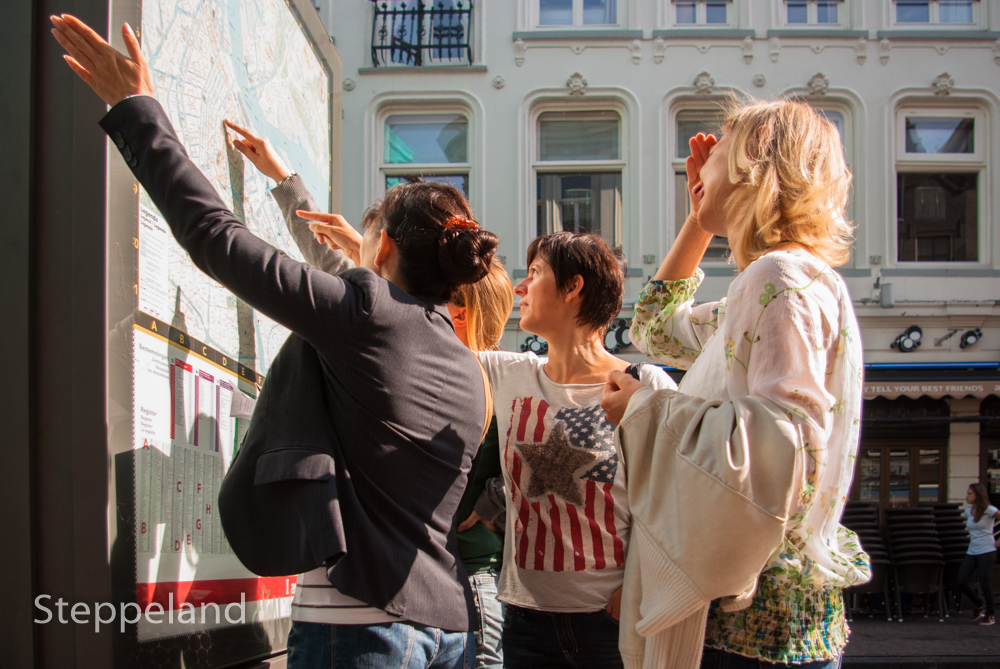
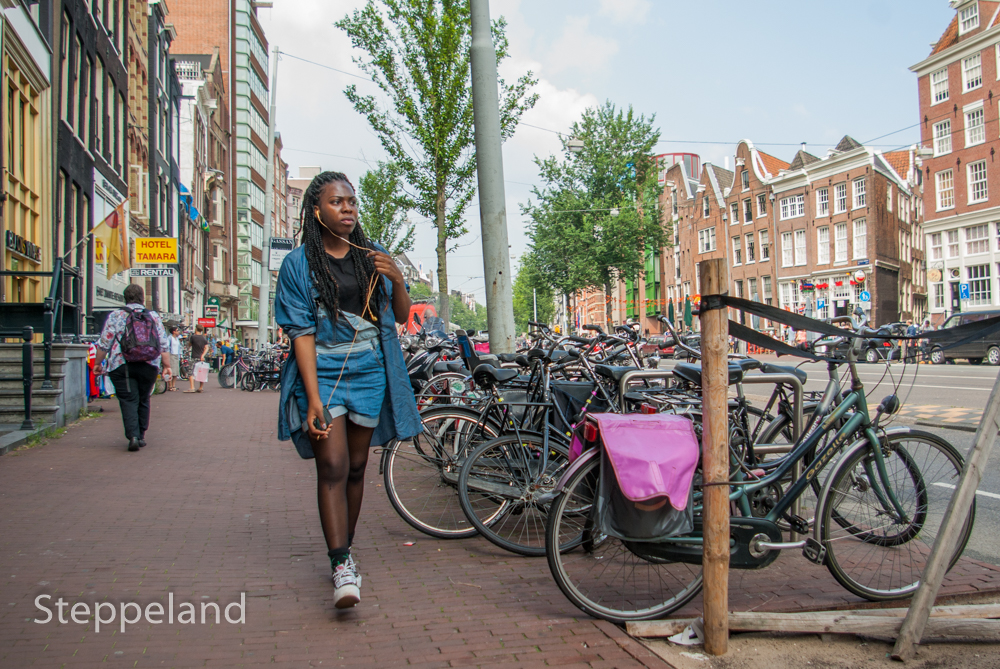
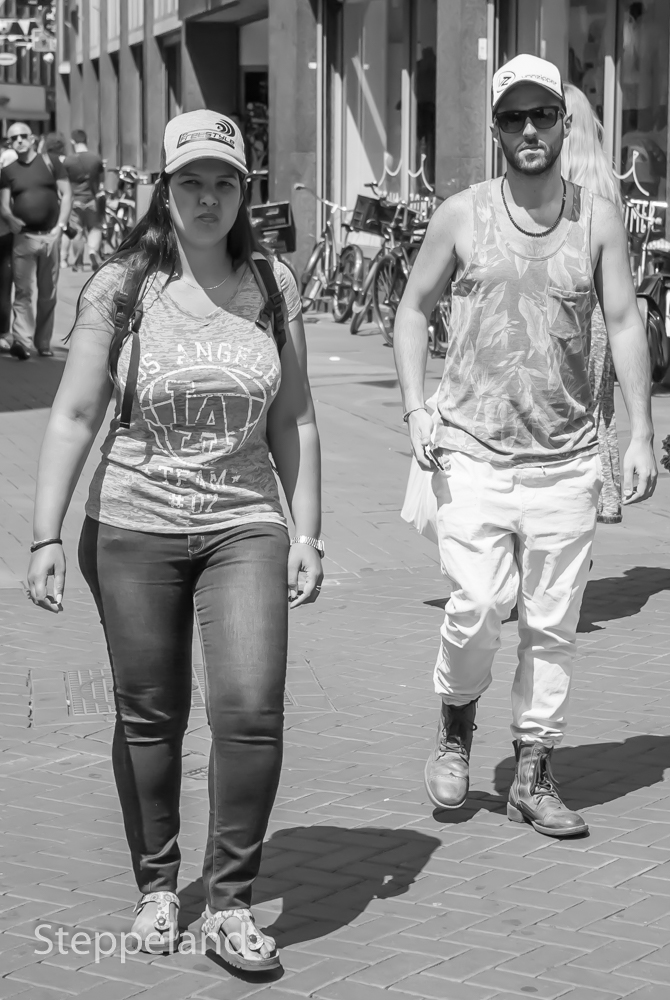
It’s Sunday Street day again, and for today, I picked 3 coloured street-photo’s.
Deze blog post in het Nederlands (link)

Also named crested cariama
Deze blog post in het Nederlands (link).

Photo made in Artis Amsterdam zoo, the Netherlands – October 28, 2014
Deze blog post in het Nederlands (link).
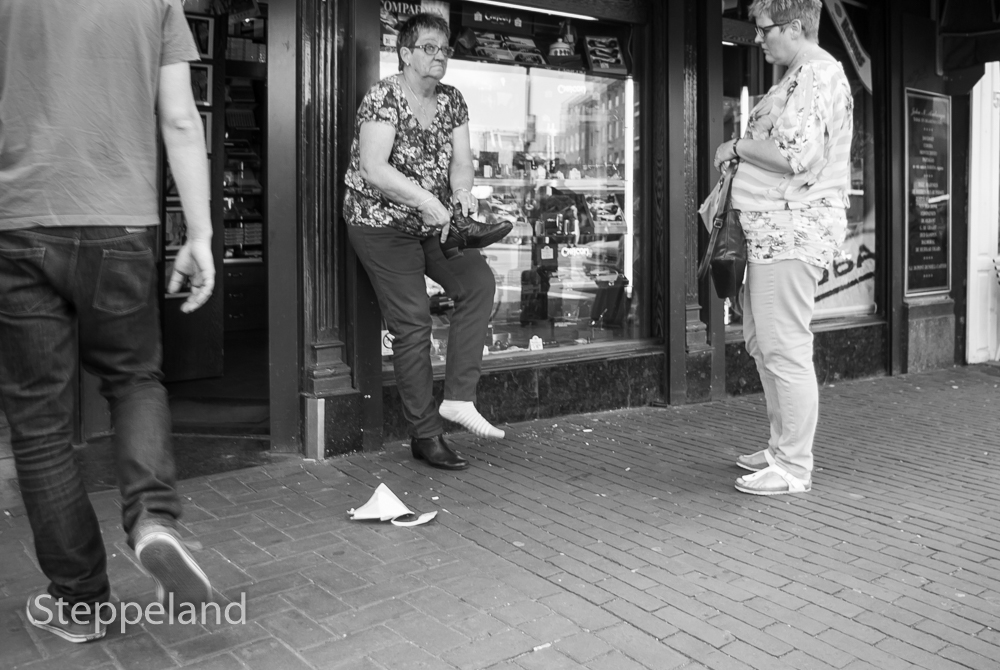
Well, summer is really over in Amsterdam. Actually, fall has taken over, and it’s beautiful outside. It’s time to get out there for both great autumn street and nature shots. But I’m still a little house-bound because of loads of organisational work to do, so I have to bind myself to my chair for a few days more.
No problem as for the photo blogging though, since I have a lot of great material left to process from the past months of photo shoots on the streets. So now let’s reminisce on a great summer with these last three street photo’s from the June series 😉 .

Deze blog post in het Nederlands (link)
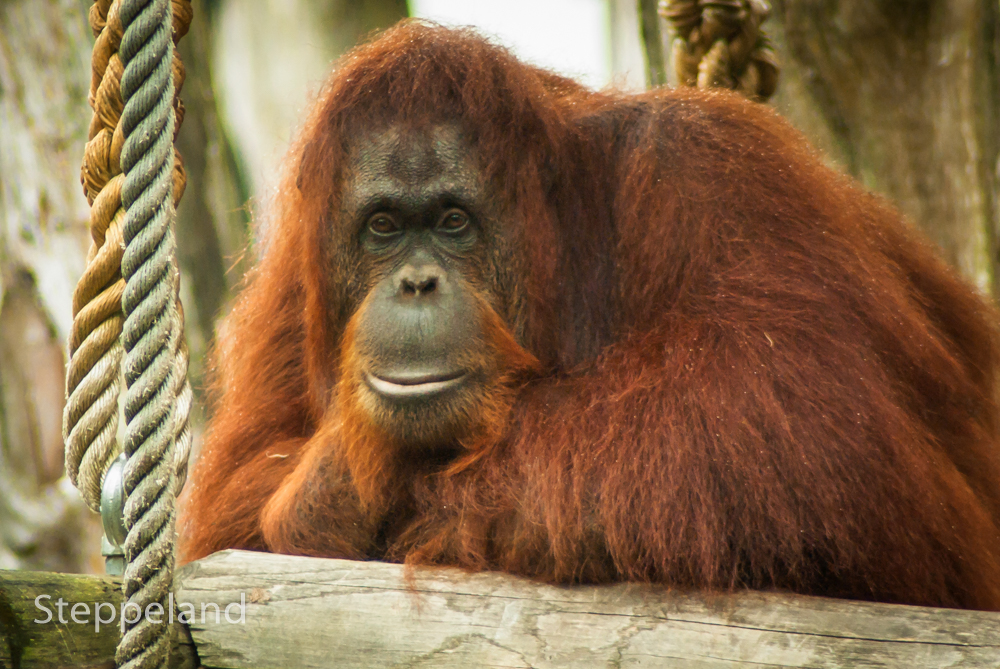
Orangutan with pensive eyes – could we only read it’s thoughts… Photographed in Apenheul zoo, Apeldoorn, the Netherlands
Orangutan
Quote:
“The orangutans are the two exclusively Asian species of extant great apes. Native to Indonesia and Malaysia, orangutans are currently found in only the rainforests of Borneo and Sumatra.
The name “orangutan” (also written is derived from the Malay and Indonesian words orang meaning “person” and hutan meaning “forest”, thus “person of the forest”.
Orangutans are the most arboreal of the great apes and spend most of their time in trees. Their hair is typically reddish-brown, instead of the brown or black hair typical of chimpanzees and gorillas. Males and females differ in size and appearance. Dominant adult males have distinctive cheek pads and produce long calls that attract females and intimidate rivals. Younger males do not have these characteristics and resemble adult females. Orangutans are the most solitary of the great apes, with social bonds occurring primarily between mothers and their dependent offspring, who stay together for the first two years. Fruit is the most important component of an orangutan’s diet; however, the apes will also eat vegetation, bark, honey, insects and even bird eggs. They can live over 30 years in both the wild and captivity.
Conservation status
During the early 2000s, orangutan habitat has decreased rapidly due to logging and forest fires, as well as fragmentation by roads. A major factor in that period of time has been the conversion of vast areas of tropical forest to palm oil plantations in response to international demand. Palm oil is used for cooking, cosmetics, mechanics, and biodiesel. Hunting is also a major problem as is the illegal pet trade. Orangutans may be killed for the bushmeat trade, crop protection, or for use for traditional medicine. Mother orangutans are killed so their infants can be sold as pets, and many of these infants die without the help of their mother.
As a result of all this, both species are on the IUCN Red List of Mammals. The Sumatran species is critically endangered and the Bornean species is endangered.” Source: Wikipedia
 Discovering Beauty