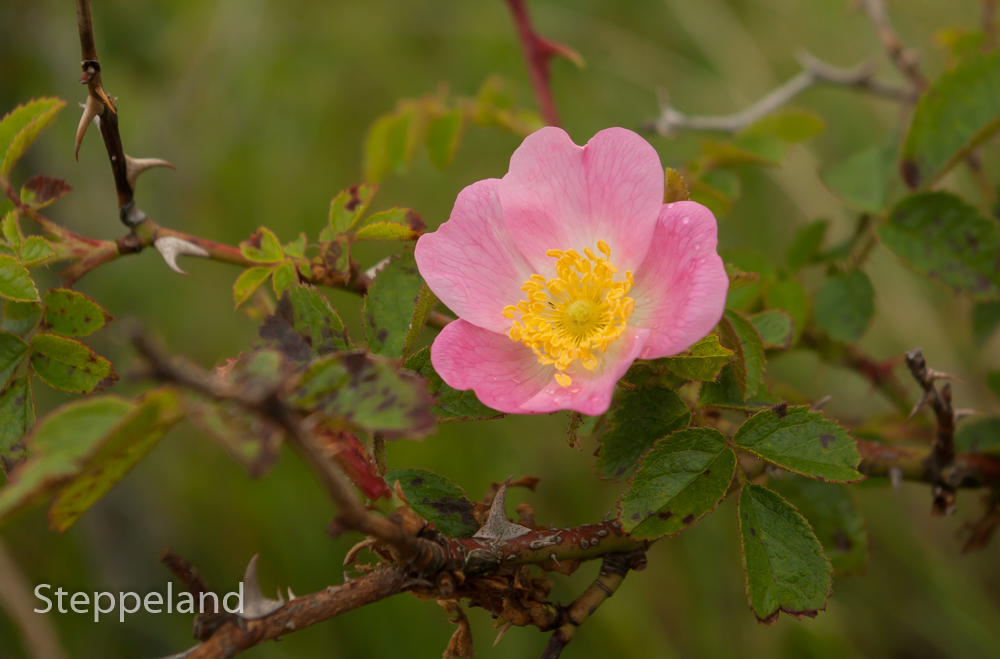
Young, soft pink Eglantine rose with yellow stamens and tiny drops of dew on the petals, on an old and thorny bush… Photo made in North Holland Dunes Reserve, June 8, 2014.
The choice for this image to post today was inspired by a poem of georgetteann : Grief – May this image bring some gentle comfort and hope to anyone who has lost a loved one recently or longer ago – and still silently cries at night about the loss…
Today, I would like to show you one of my recent nature photographs. Let’s make Wednesday the #WonderfulNature day 😉
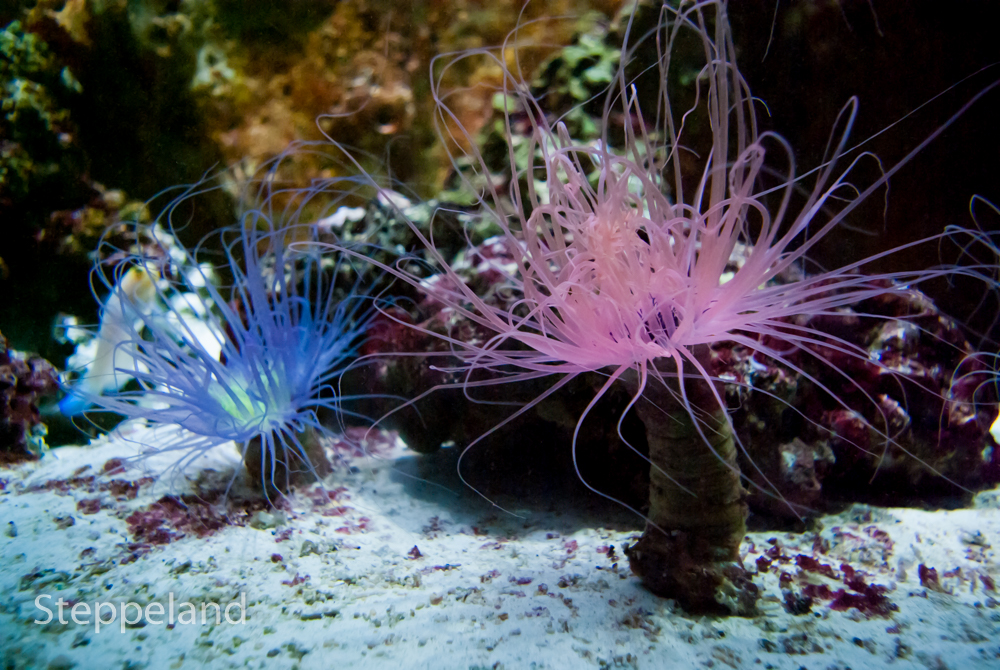
Sea Anemones, wonderful creatures of the sea
Photo of two tube dwelling anemones, a blue and a pink one, photographed in the Aquarium of Artis Amsterdam zoo, the Netherlands (August 31, 2014)
“Tube-dwelling anemones or cerianthids look very similar to sea anemones, but belong to an entirely different subclass of anthozoans. They are solitary, living buried in soft sediments. Tube anemones live and can withdraw into tubes, which are made of a fibrous material, which is made from secreted mucus and threads of nematocyst-like organelles, known as ptychocysts.
Cerianthids have a crown of tentacles that consists of two whorls of distinctly different sized tentacles. The outer whorl consists of large tentacles that extend outwards. These tentacles taper to points and are mostly used in food capture and defence. The smaller inner tentacles are held more erect than the larger lateral tentacles and are used for food manipulation and ingestion.” Source: Wikipedia
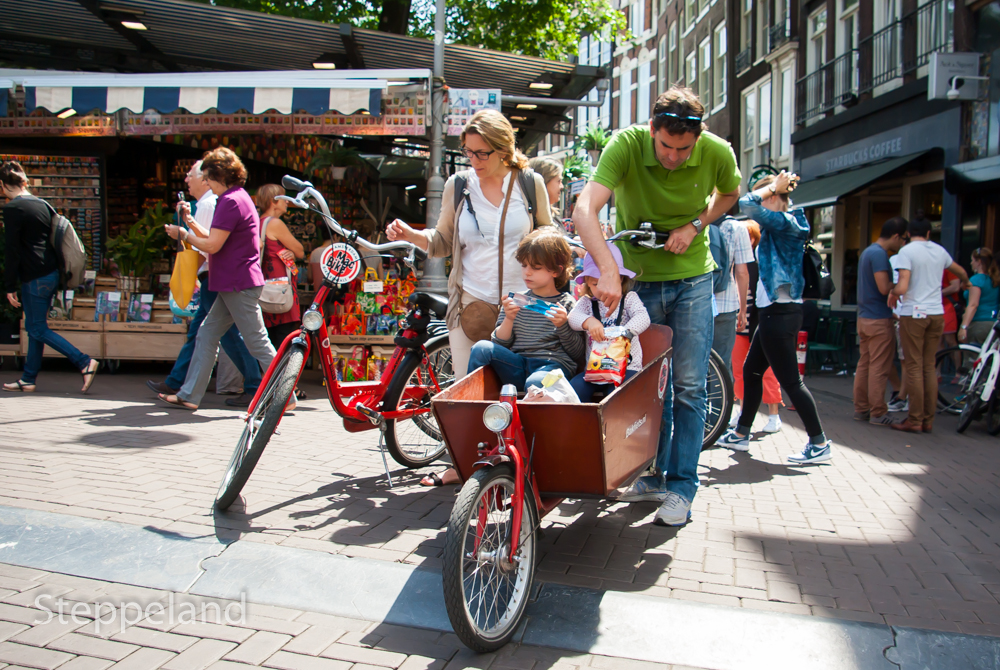
Family, mom, dad and kids, with rented red Mac Bike bicycles, in the busy touristic centre of Amsterdam. The boy and girl in front of the carrier bicycle eating salted chips, and sharing some with dad – Amsterdam Street photography
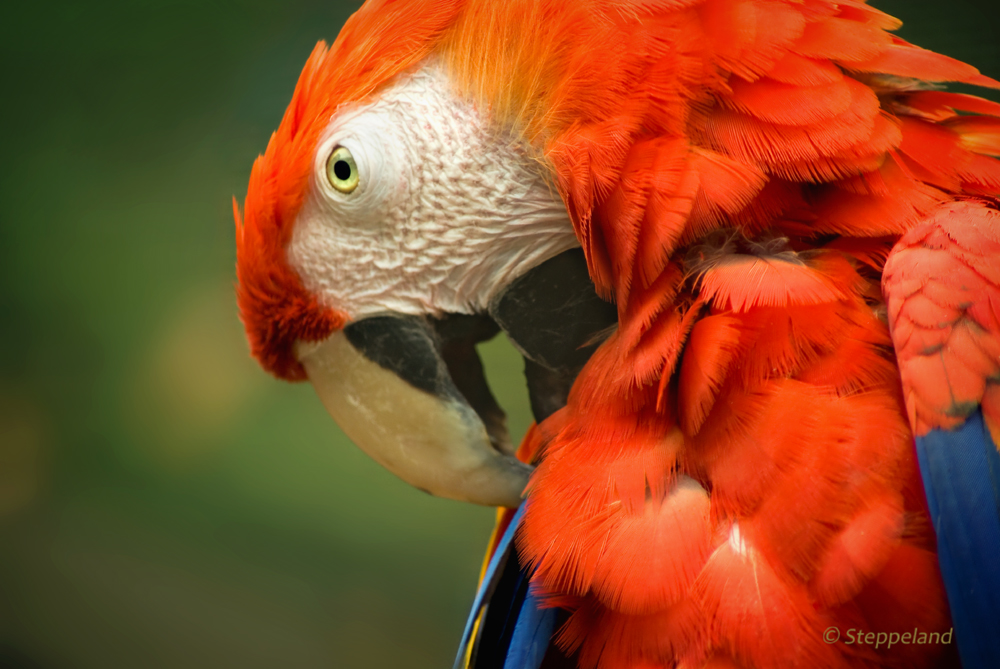
Another beautiful bird, photographed in Pairi Daiza, a marvellous themed zoo in Brugelette, Belgium
This red, blue and yellow parrot, the Scarlet Macaw (Ara macao), is native to humid evergreen forests of tropical South America. It has suffered from local extinction through habitat destruction and capture for the parrot trade, but locally it remains fairly common. This colourful parrot is on the IUCN list of threatened species, status: Least concern (source: Wikipedia)
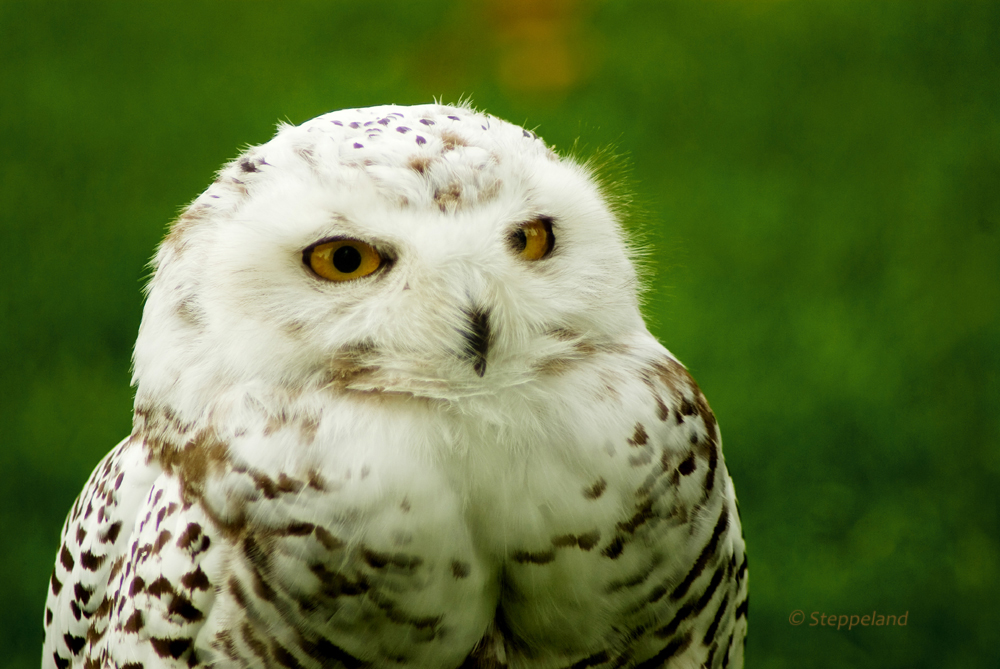
This Snowy Owl was photographed in Pairi Daiza zoo, a marvellous themed zoo on the grounds of a previous abbey in Brugelette, Belgium.
The Snowy Owl (Bubo scandiacus) is a large owl, typically found in the northern circumpolar region, where it makes its summer home north of latitude 60 degrees north. However, it is a particularly nomadic bird, and because population fluctuations in its prey species can force it to relocate, it has been known to breed at more southerly latitudes. (source: Wikipedia )
Snowy Owl – a penny for your thoughtsSnowy Owl – Wize wizzard
It had been a long time that I didn’t visit the ReedCorner (de Riethoek) , a small nature area surrounded by the highly populated neighbourhoods of Amsterdam SouthEast (The Netherlands) – But on Easter Sunday, although the sun was hiding behind the clouds again, I thought it was time to have a walk… and I definitely wasn’t disappointed.
I enjoyed seeing and photographing several water birds, of which some were already nesting – and lots of little flowering herbs… the first messengers that spring truly is on its way! 🙂
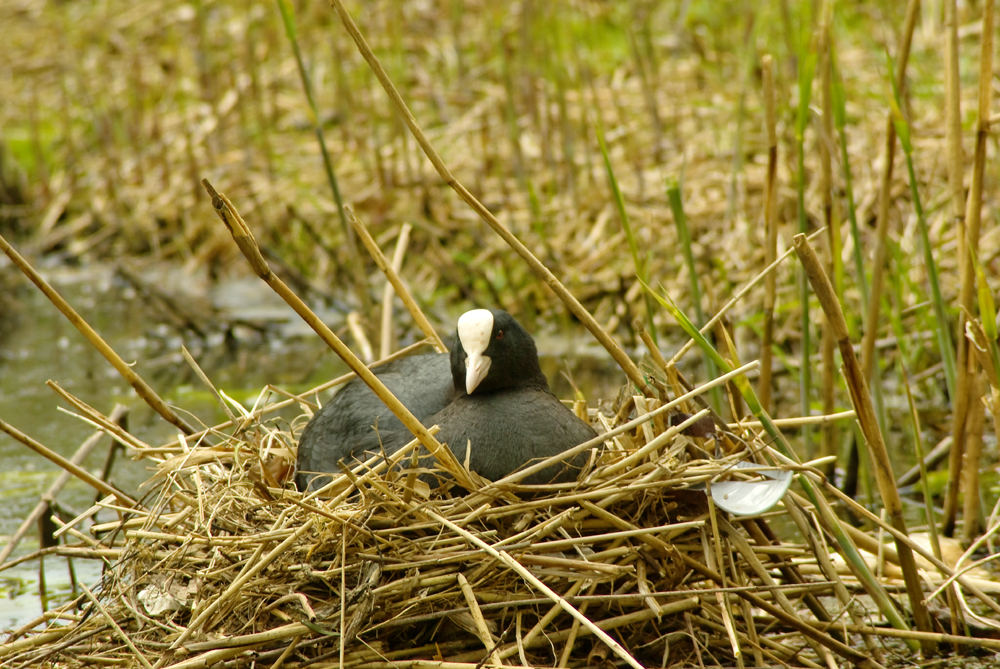
This Eurasian Coot clearly is already breeding… soon we’ll be able to see her ugly but eccentric young scavenging the sides of our ditches and ponds, and mom will have her hands full keeping an eye on them… For now, she still can enjoy the quiet for a little while… 🙂
Did you already see any nesting birds in your neighbourhood?
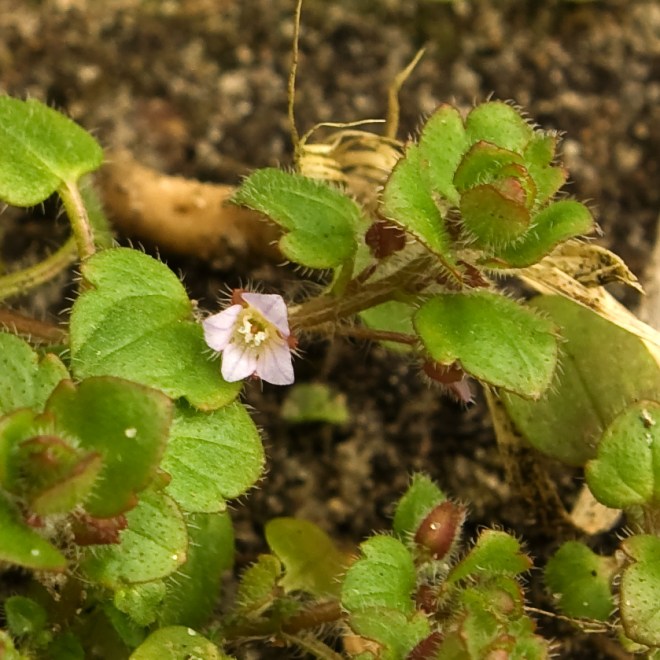
Last Saturday, we had our monthly workday with the Bijlmerweide volunteers. For me an occasion to, afterwards, still pass by the three little experimental grasslands, where we are making an inventory of the wildflowers growing there. Although from a distance, the grasslands still look very ‘barren’, there were already quite some early spring flowers to be found… Only, one has to bend deep to find them 😉 – This little beauty, klimopereprijs (Veronica hederifolia), was found and photographed on grassland 1 – and also found on grassland 2 and 3. March 17, 2012
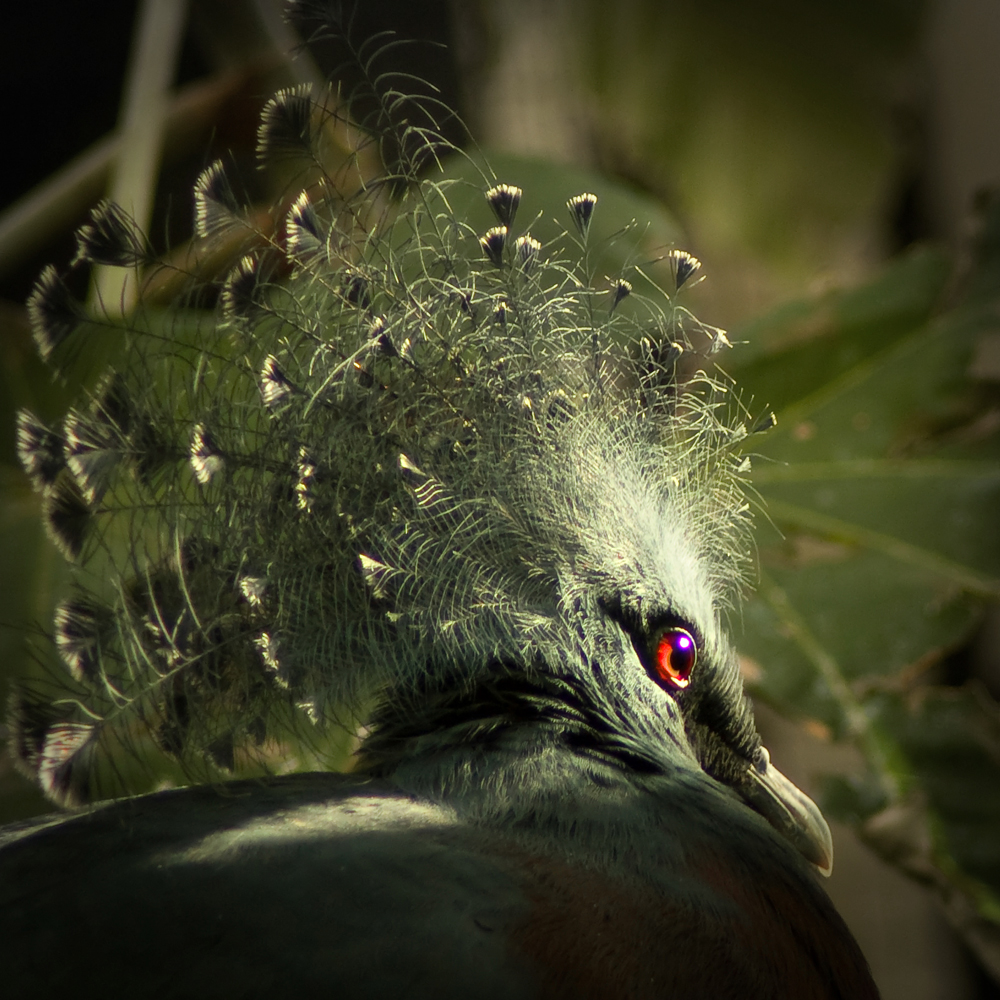
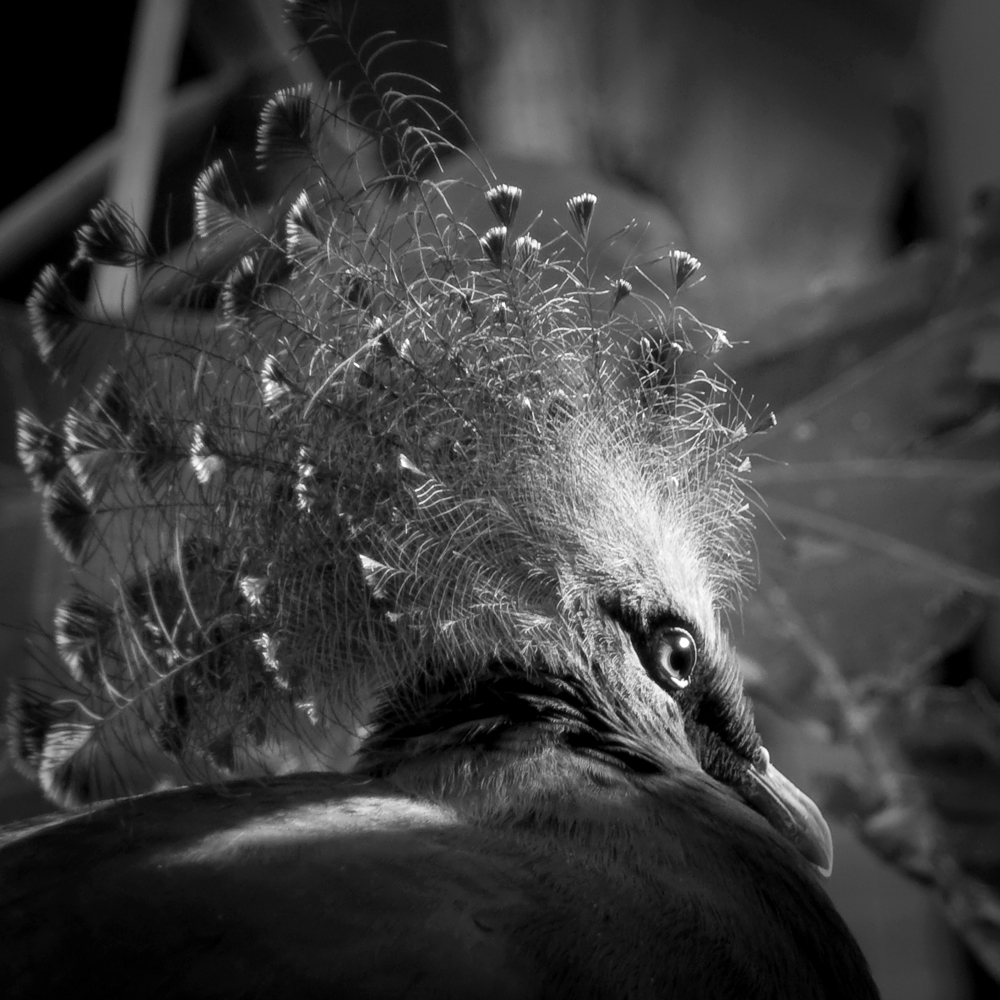
photographed in Artis, Amsterdam Zoo - Feb. 11, 2012
“The Victoria Crowned Pigeon, Goura victoria, is a large, bluish-grey pigeon with elegant blue lace-like crests, maroon breast and red iris. The bird may be easily recognized by the unique white tips on its crests.
It is distributed in the lowland and swamp forests of northern New Guinea and surrounding islands. Its diet consists mainly of fruits, figs, seeds and invertebrates. The female usually lays a single white egg.
Due to continuing habitat loss, being tame and easily hunted for its plumes and meat, the Victoria Crowned Pigeon is evaluated as Vulnerable on the IUCN Red List of Threatened Species. ” (Source: Wikipedia)
It’s a beautiful bird indeed –
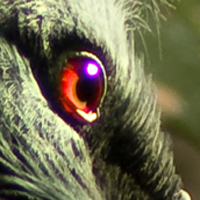
Due to the light reflection, the normally red eye turned partially purple here… amazing…
It’s already a few weeks on Saturdays that I’ve been following a photography course in Artis Amsterdam zoo. Last Saturday, it was the 3d out of 4 meetings, and our assignment of the day was to make a photo-story with a series of images. We had the first snow just a day before, so it was a special occasion to make photo’s on a snowy but sunny day in Artis. I had hoped that maybe I could go make some pics at the Arctic wolves’ enclosure that day, because I knew that a new group of wolves had arrived at the zoo some time last year, and some months a go, the news had been spread that three young wolves were born. So since I hadn’t been able to go see them yet, this assignment would make for a great opportunity to go see what was happening at the wolves’ .
I must say, I really was lucky with the photo-opportunities, and enjoyed my afternoon with the wolves, and those two boys, they did too 😉 …
“Two boys and the wolves…”
– Artis Amsterdam Zoo – a photo-story … :
Safely hidden behind a wooden wall and a fence grown with ivy, there’s the wolves’ enclosure.
Usually, it’s rather quiet there for the little group of arctic wolves, but today…
… something is happening near the fence
Two boys have started throwing snowballs …
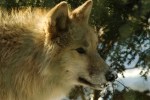
and they seem to have attracted the wolves’ attention
… after all, this snow is new for these young wolves too! It’s giving them a snowy nose!
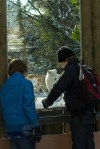
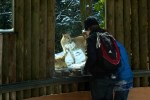
Then one of the boys discovers a crack in the wall, and straight away a stick goes in…
That too draws the curiosity of the wolves
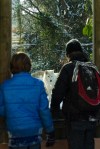
Finally, it’s time for the boys to move on, and for the wolves to withdraw







 Discovering Beauty