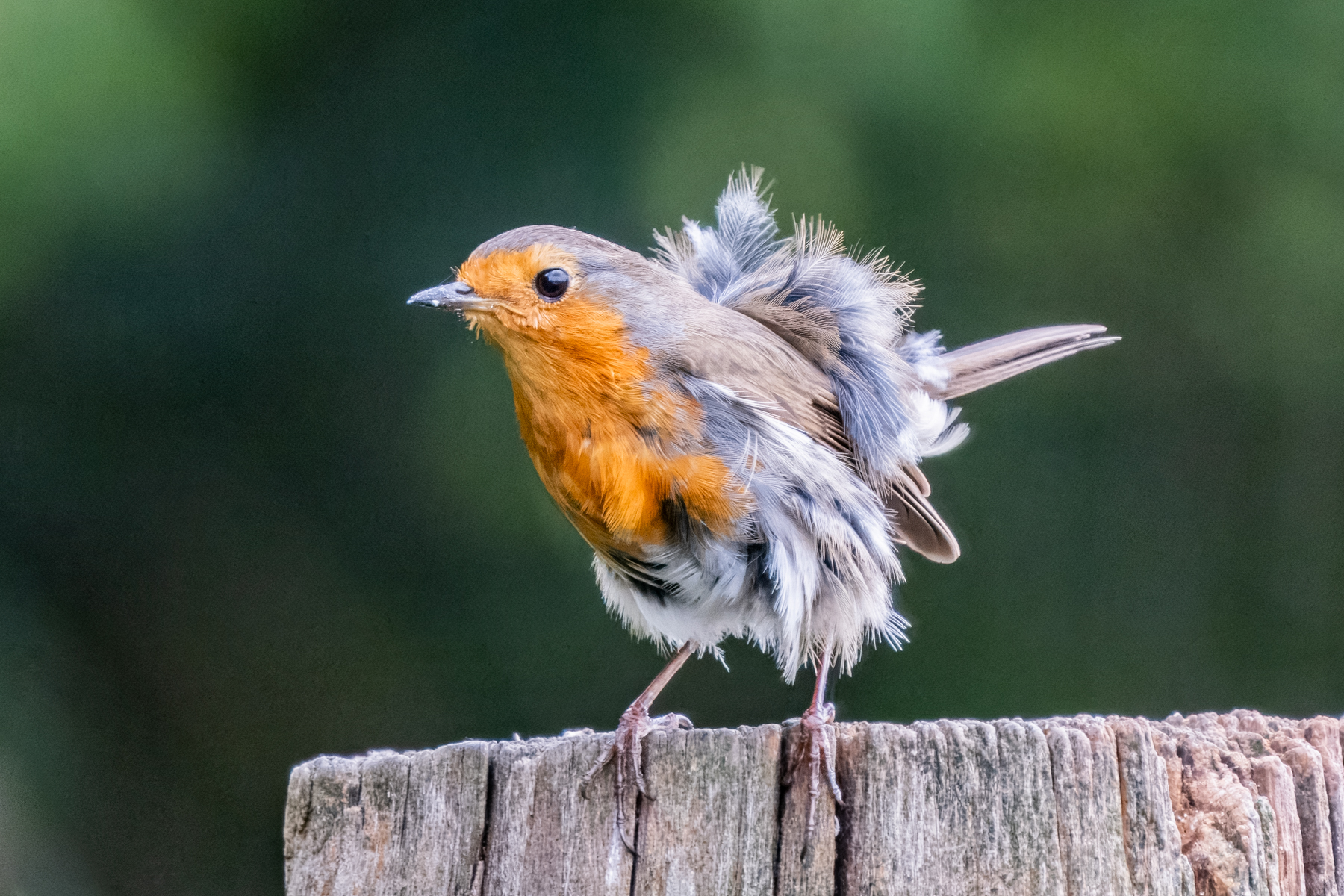
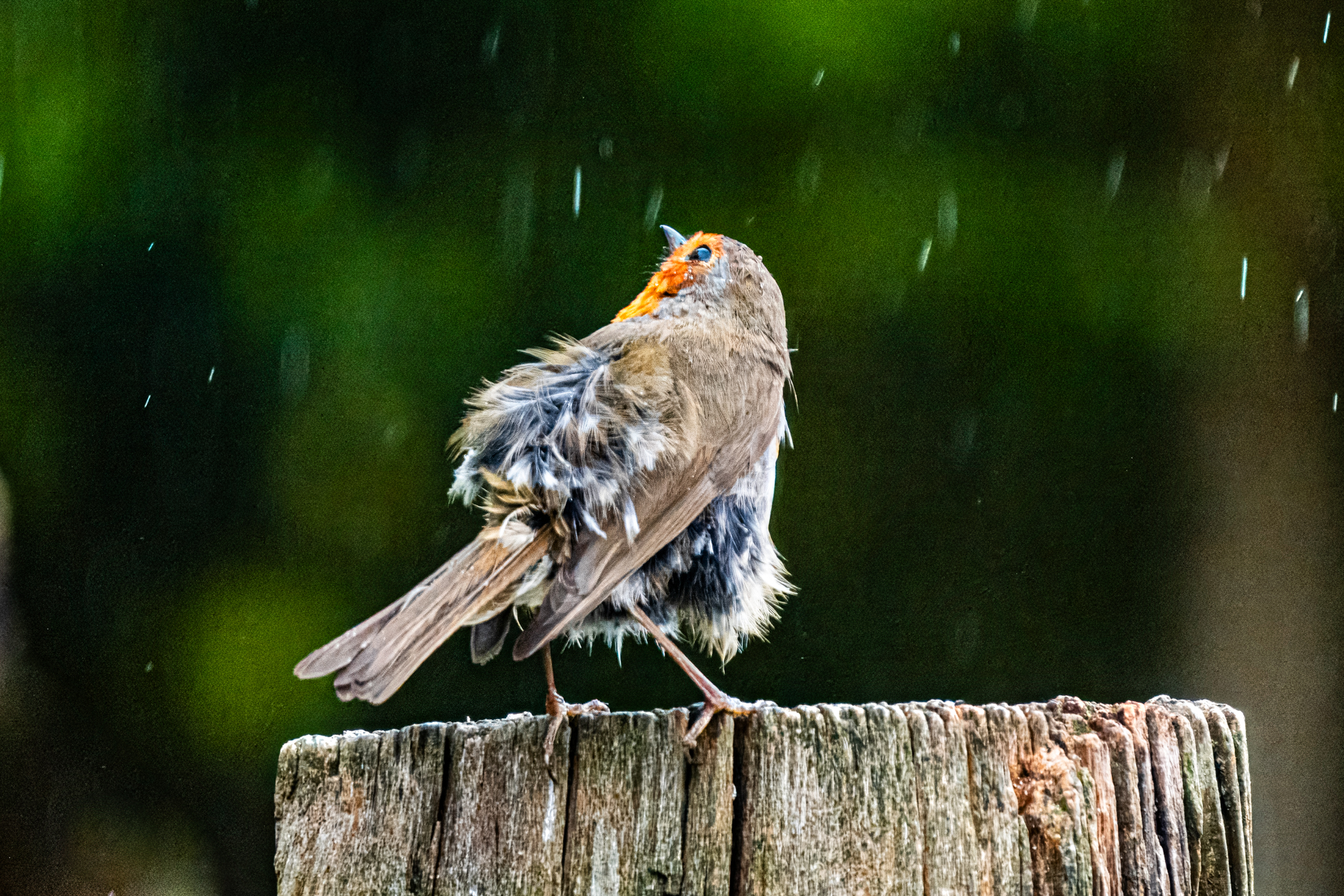
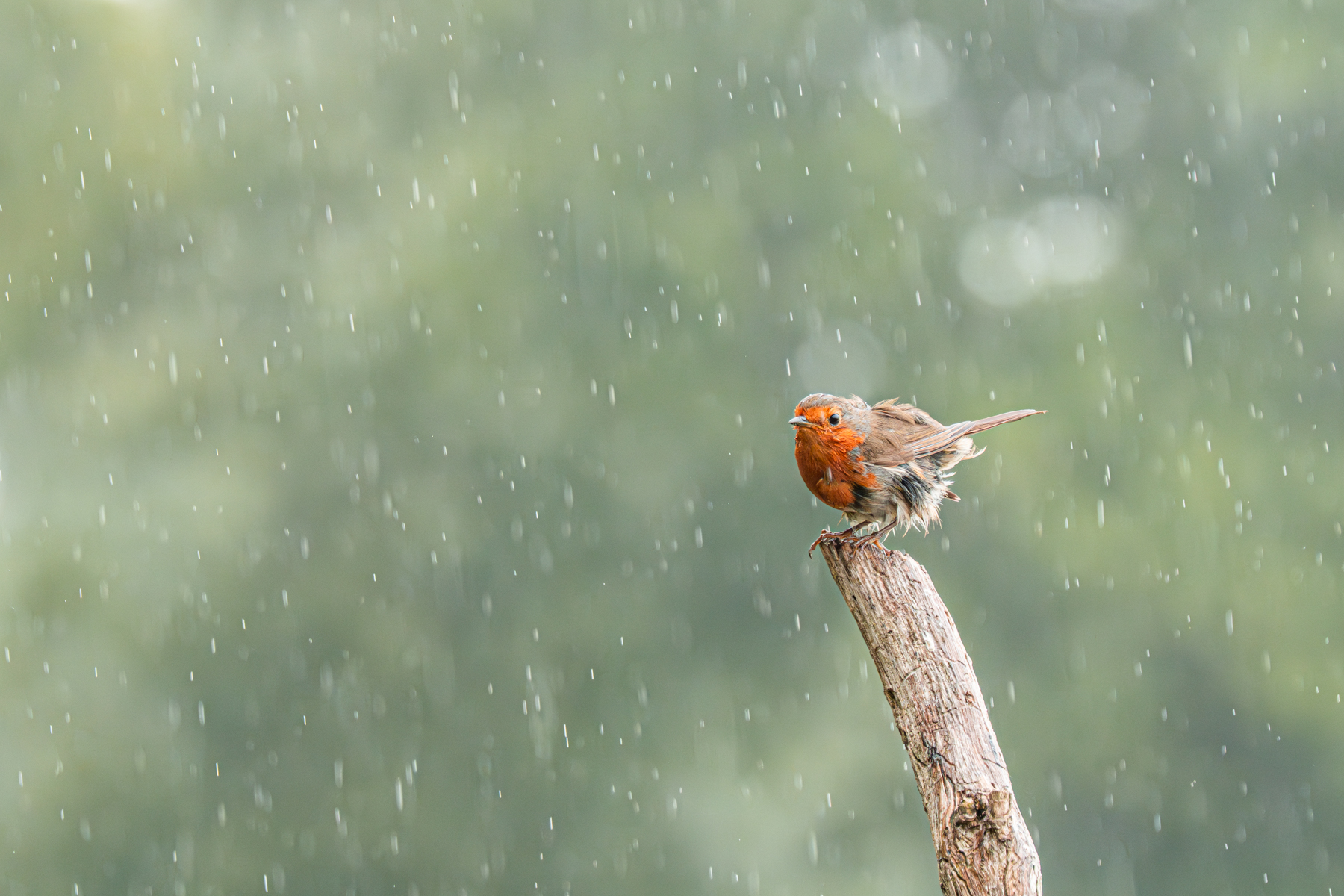
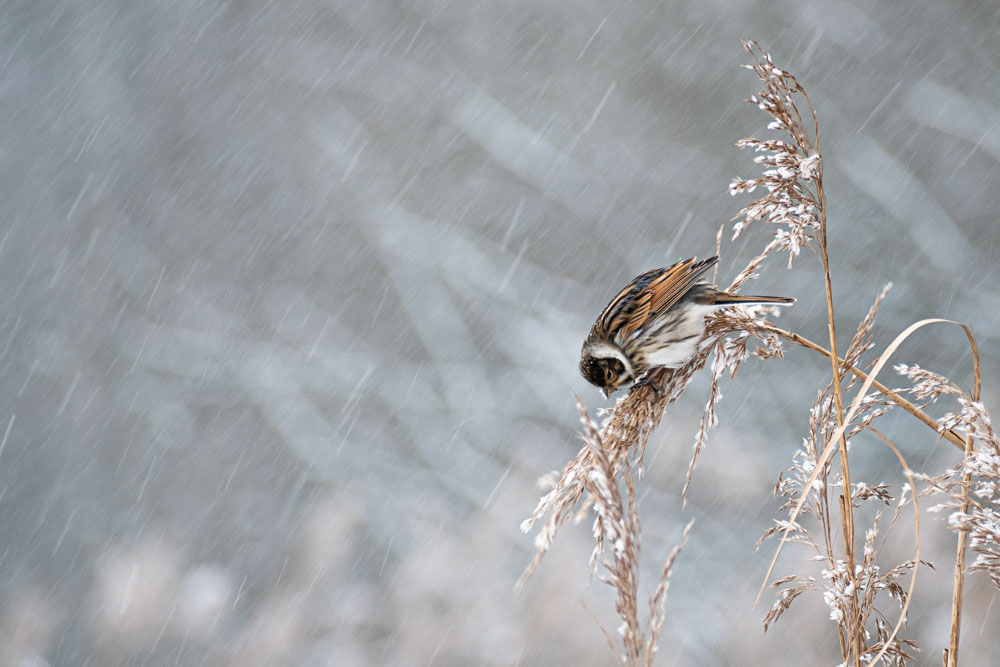
During our day at the bird photography hut in Kalmthout, it was especially the young robin, in full moult, that stole the show for me. He seemed very surprised when it suddenly started raining hard… Maybe his first summer downpour??
2021 was another very active photography year for me. The corona pandemic still had the whole world in its grip and also in the Netherlands we painfully moved from one lockdown or semi-lockdown period to the next, with some little breathing spaces in between. At times our freedom of movement was quite limited and social contacts were also only sparsely allowed. Reason enough for my sister Agnes and me to often seek each other’s company and to go out with the camera very regularly: luckily nature reserves within the Netherlands were always freely accessible, so we made ample use of that to visit beautiful places and go explore.
Early January, therefore, is the right time to look back on this year of photography and make a selection of my best photographs. This year the emphasis was very much on nature photography, while street or social photography – partly due to the circumstances – came off poorly. Following is a presentation of my own favourite photos this year. Not necessarily technically perfect photos, but images that tell a story, capture a unique moment or pass on a special experience.
These images you can also view in gallery style on my Photodeck website: click here
Birds
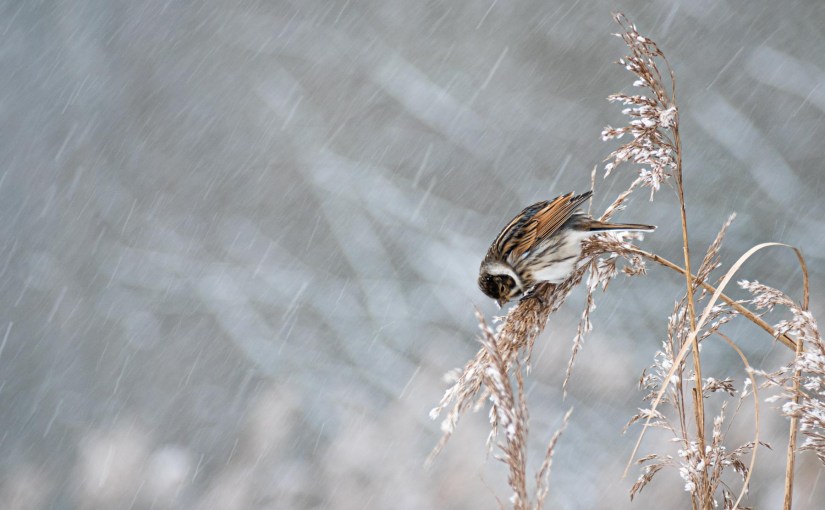
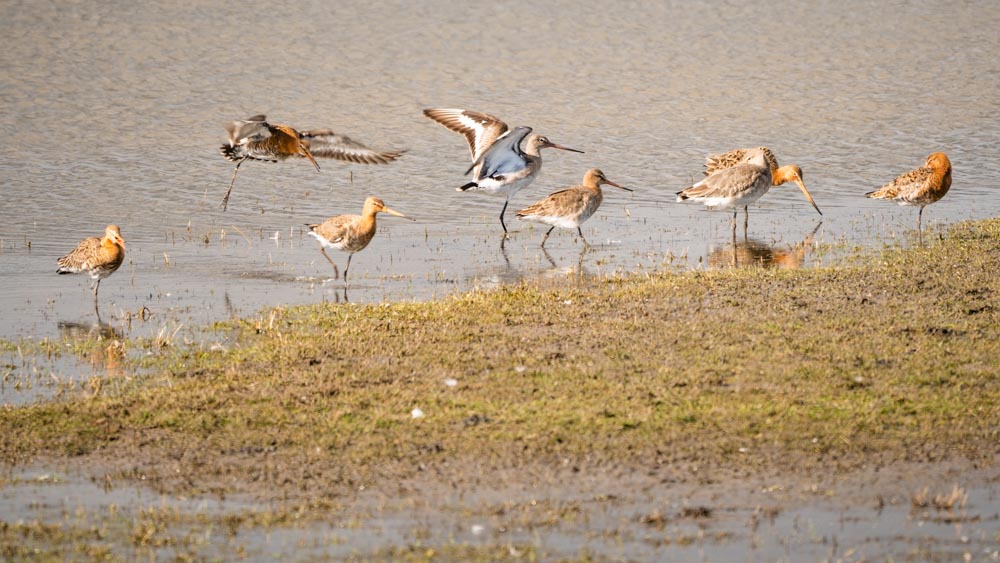
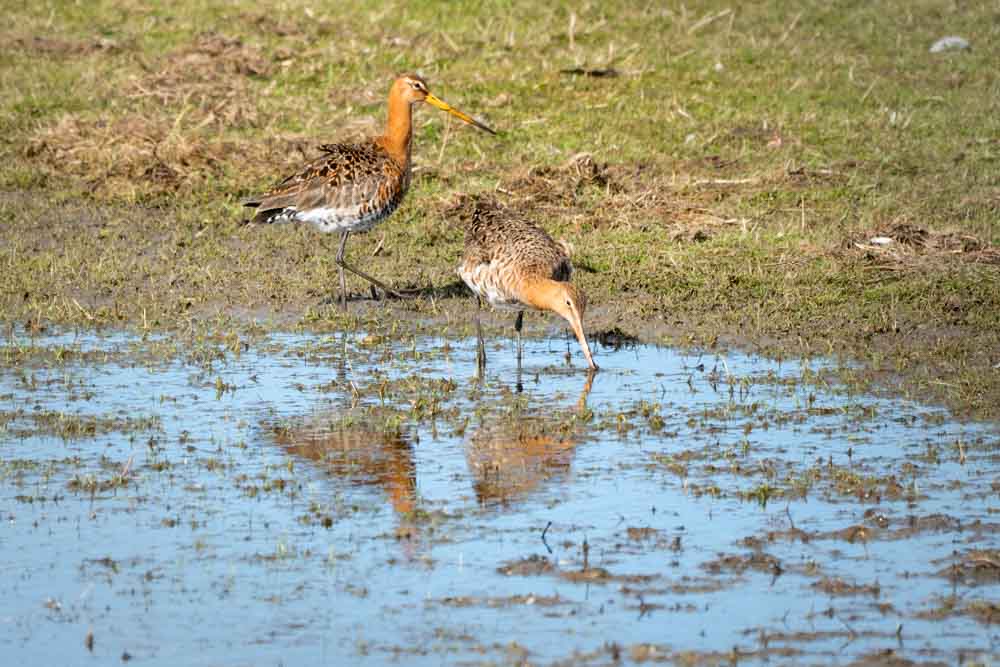
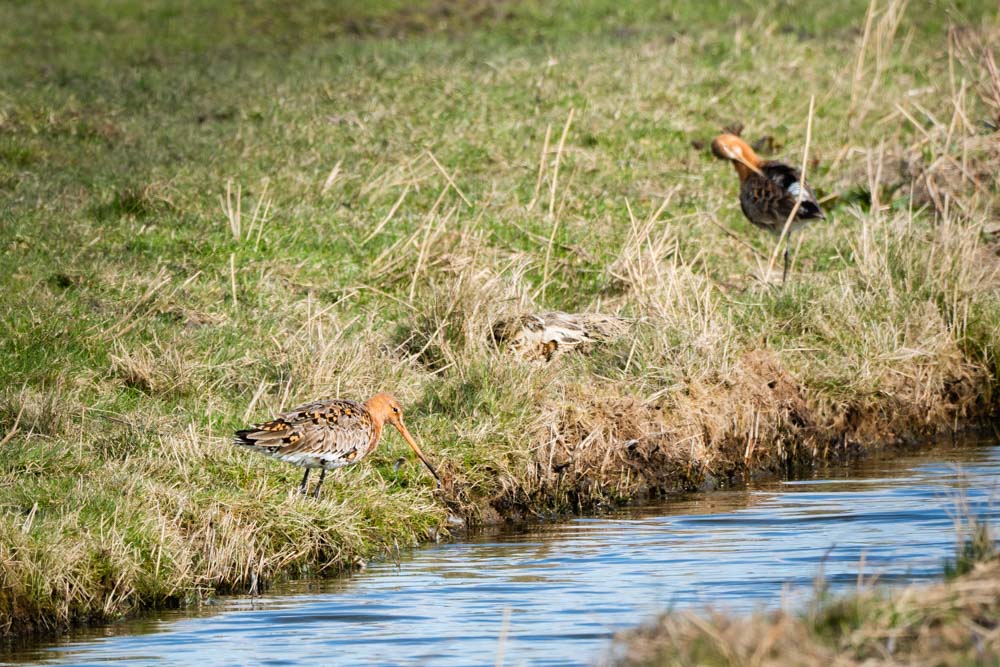
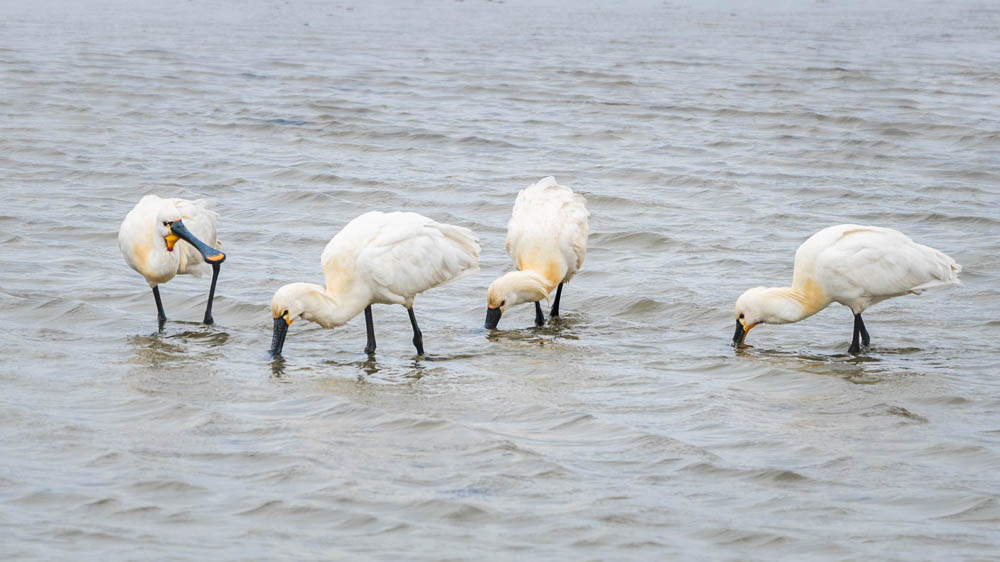
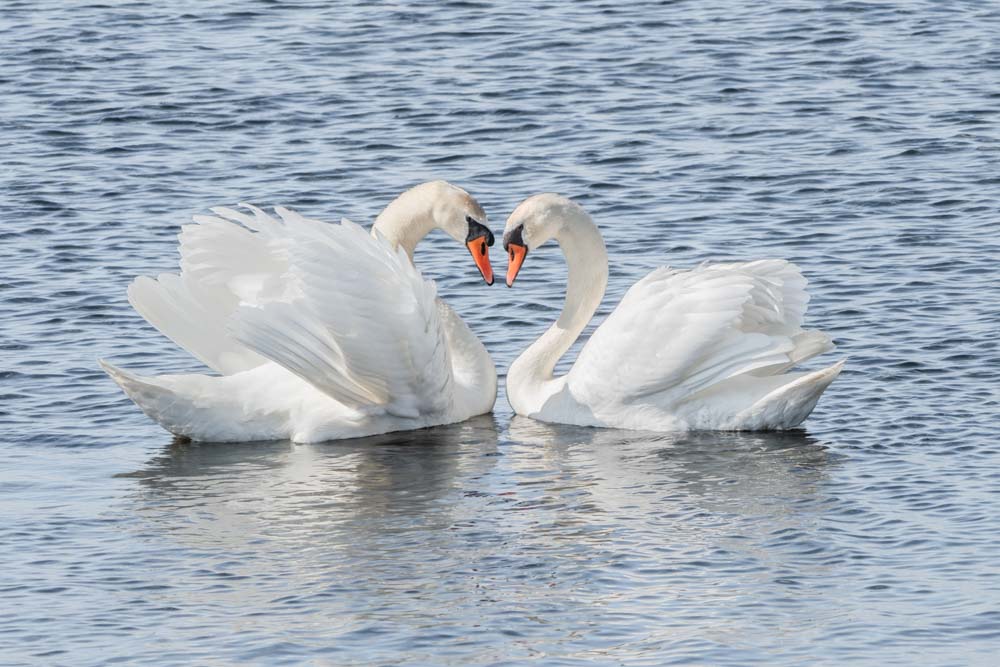
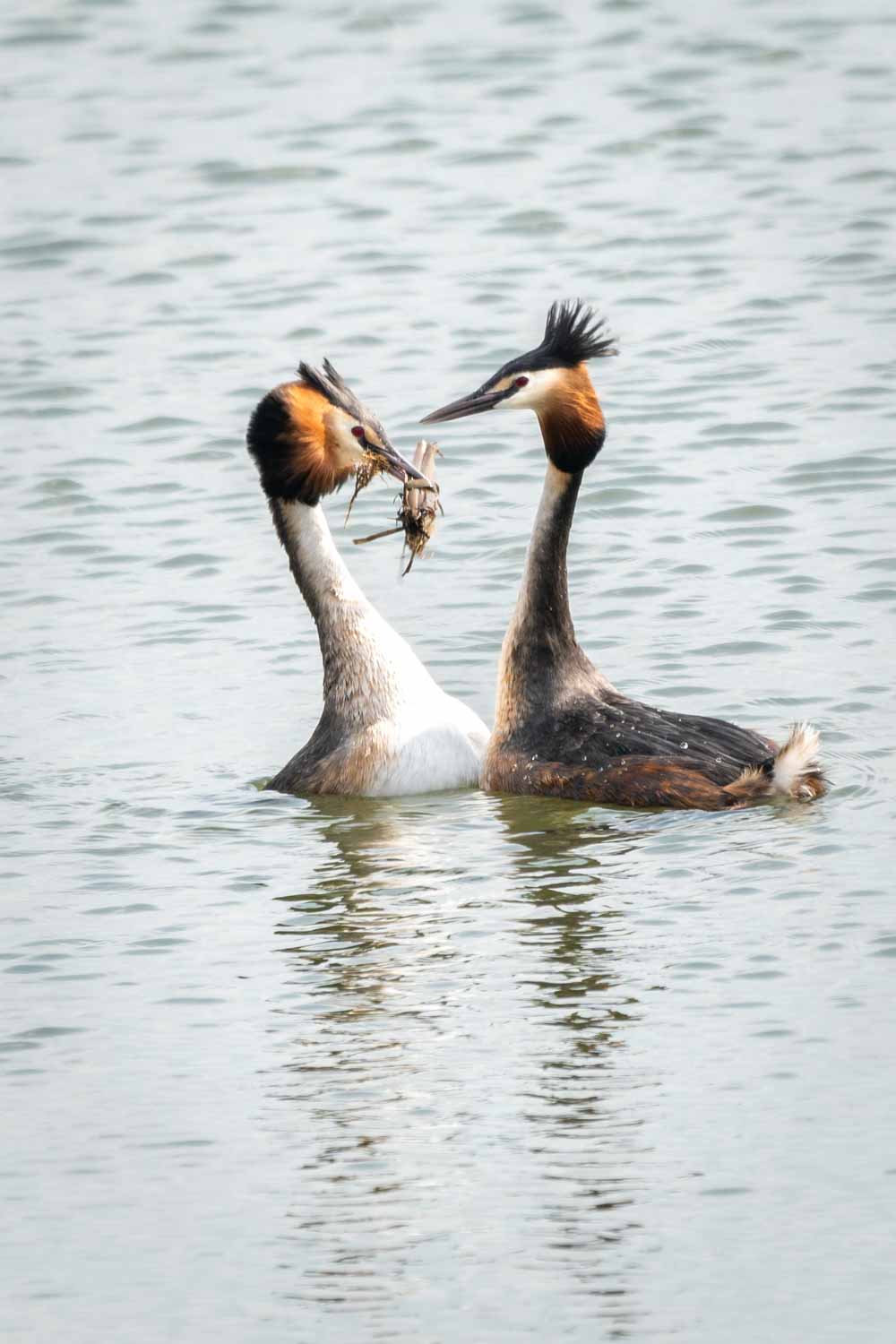
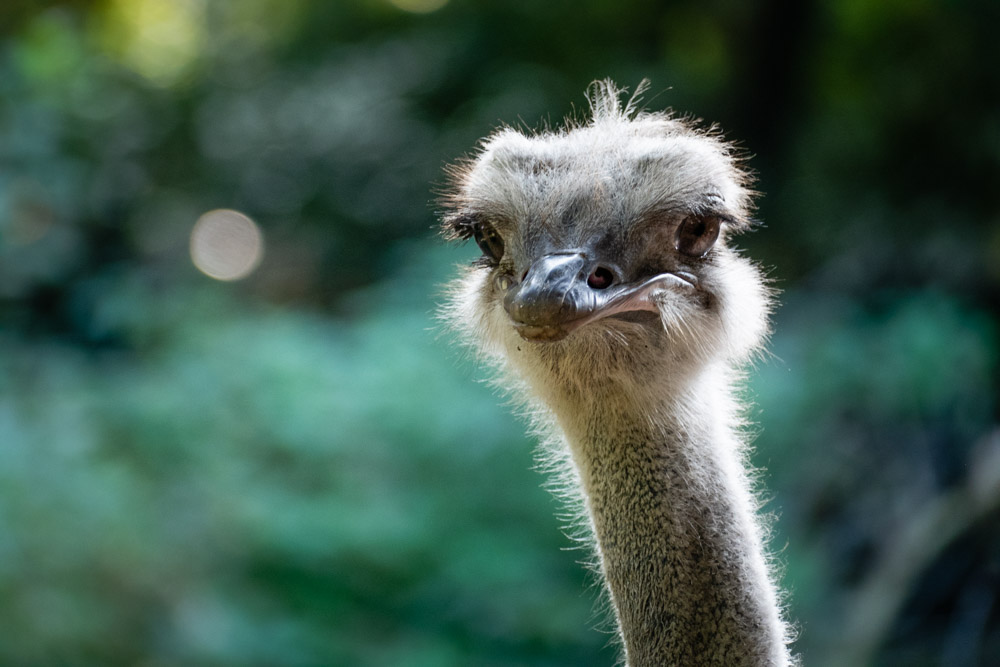
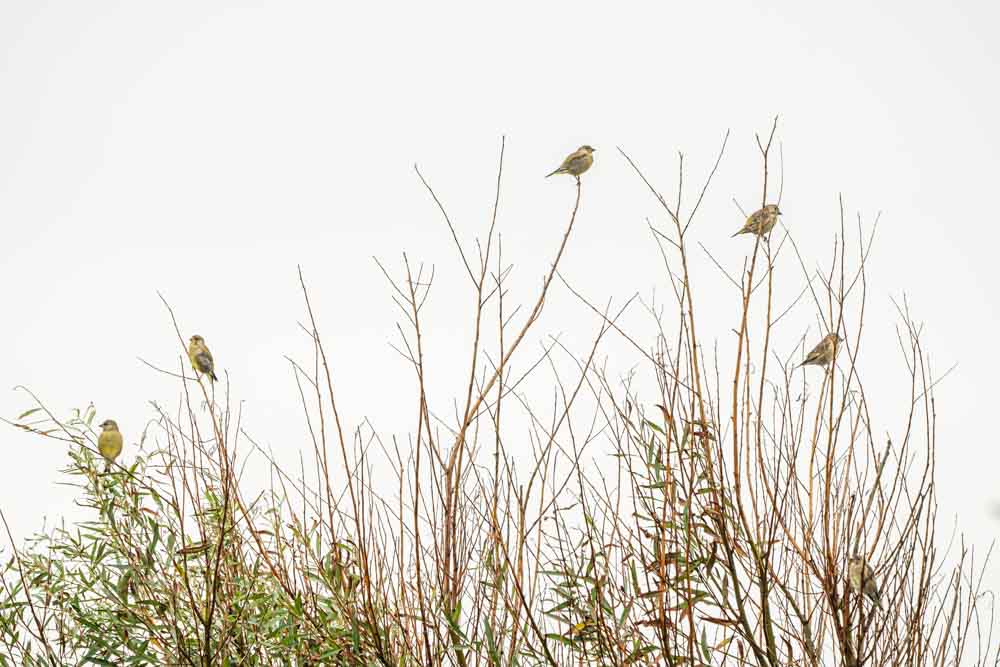
My own top-favourite photo this year was one from the ‘Reed bunting in the blizzard’ series. A special image that accurately reflects the harsh conditions for small birds and the need to survive in winter weather. Flying birds were certainly a favourite this year as well. Perhaps this was the first year in which I really managed to get some good pictures of it, more than ‘just by accident’. But birds also remain a challenge in the water or on the ground, and it is exciting and exciting to portray them properly. The black-tailed godwits (and other meadow birds) on Marken, the spoonbills on Terschelling, the grebes in North Holland and Zeeland, the swans on the Veluwemeer, the ostrich in Artis and the greenfinches in the dunes of Egmond aan Zee… we enjoyed them all!
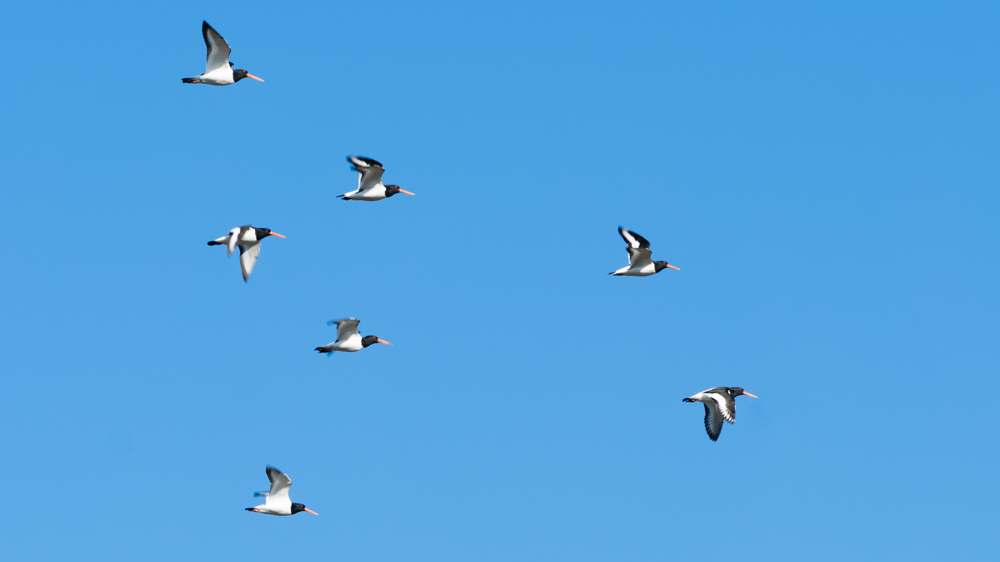
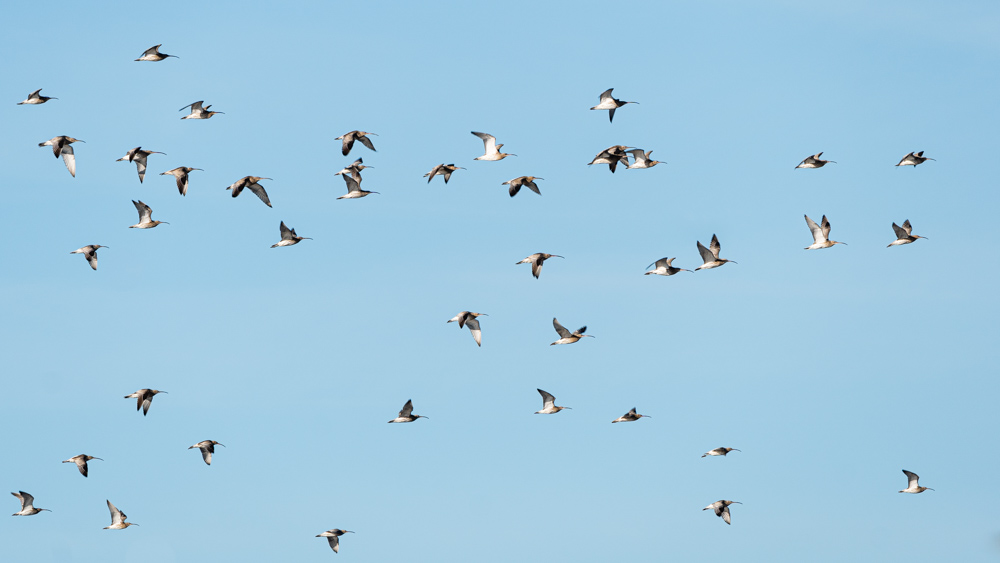
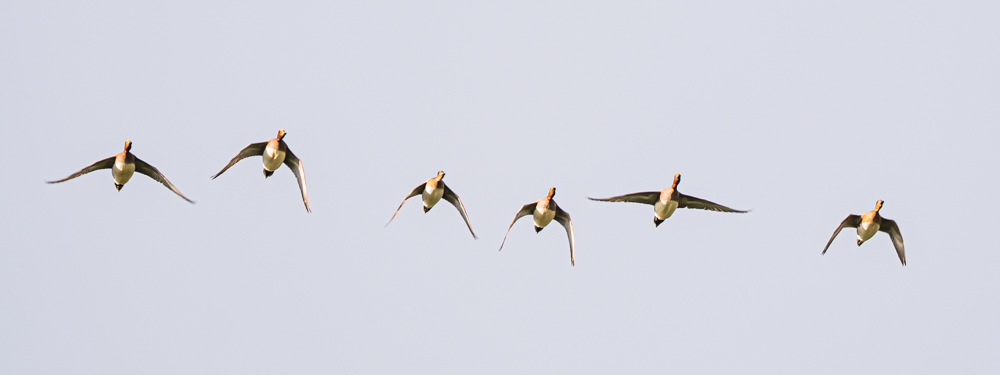
Not a moment to lose. Snow storm, wind chill -11 degrees C., wind force 7, code red: no weather to go outside, so anyway! Swinging on the reeds, this reed bunting continues to diligently peck seeds. Much needed food to stay alive… Amsterdam Southeast, NLAmsterdam Southeast, NL.m Zuidoost, NL.‘Bonte Pieten’ in flight. A group of oystercatchers flies overhead, their black and white plumage and orange beaks, eyes and feet stand out against the blue sky. It’s not surprising that they are also called ‘Bonte Pieten’ in Dutch (‘Colourful Petes’). Photo was taken at the floodplains of the IJssel after high water. Deventer, Overijssel, NetherlandsA flight of curlews. A large group of curlews flying overhead. Photo was taken at the floodplains of the IJssel shortly after high water. Deventer, Overijssel, The Netherlands.The free flight of the Wigeons. A group of wigeons fly over right above our heads and look down on us, babbling. Marken, North-Holland, Netherlands.Riot among the black-tailed godwits. Group of black-tailed godwits on the flooded meadow. Marken, North-Holland, Netherlands.A varied company. Black-tailed godwit, three-toed sandpipers and a pair of teal, a varied company. Marken, North-Holland, Netherlands.Two black-tailed godwits reflection. Two black-tailed godwits by a puddle on the flooded meadow. Marken, North Holland, Netherlands.The black-tailed godwits and the hare Two black-tailed godwits by a ditch and between them, dead silent and almost invisible, a hare on his bed. I only saw it properly when I developed the photo at home Marken, North Holland, Netherlands.Foraging together. Four spoonbills looking for food in the shallow water of the Wadden Sea. Terschelling, Friesland, Netherlands.On one foot. Meadow pipit with one foot up, on a fence pole in the dunes. Oosterend, Terschelling, Friesland, Netherlands.Touching tenderness. The dance of the mute swans, couple and partners for life. Veluwemeer, Biddinghuizen, Flevoland, Netherlands.Love – partners for life. The dance of the mute swans, couple and partners for life. Veluwemeer, Biddinghuizen, Flevoland, The Netherlands.Take my present. The male offers nesting material to the female. When this is accepted, the couple can start building their nest. Pair of grebes during the beautiful display of courtship. Schardam, North-Holland, Netherlands.Nostalgic grebe family picture. A grebe family on the water. Two little ones on mommy’s back. One little one rushes back to Daddy, who has a tasty snack. Catharinapolder Terneuzen, Zeeland, NetherlandsCurious ostrich. This ostrich in Artis found the long telephoto lens interesting and came to take a look. A moment later he snapped at it. Artis Amsterdam, Netherlands.Meeting on top of the willow bush. Group of greenflies gather on the top of a willow bush. North-Holland Dune Reserve. Egmond aan Zee, North-Holland, Netherlands.
Trees
Another theme that came up very often in my photography this past year was trees. Trees in the landscape or in small detail. This was partly due to the fact that at the beginning of 2021 we (Agnes and I) had completed the personal coaching traject, which we followed for most of 2020. As a final assignment, we had to submit a series of 8 photos. I chose the theme ‘Trees in weather and winter’ and decided to make a diptych for each tree of one wide photo (landscape) and one close-up or macro photo. I will show the result of this photography project in another blog post. However, due to the choice of the formula of a diptych per tree, some trees, of which I only had a wide shot, fell out. Others were made in another season and didn’t fit the winter theme at all. Some of my favourite tree photos are therefore given a place here.
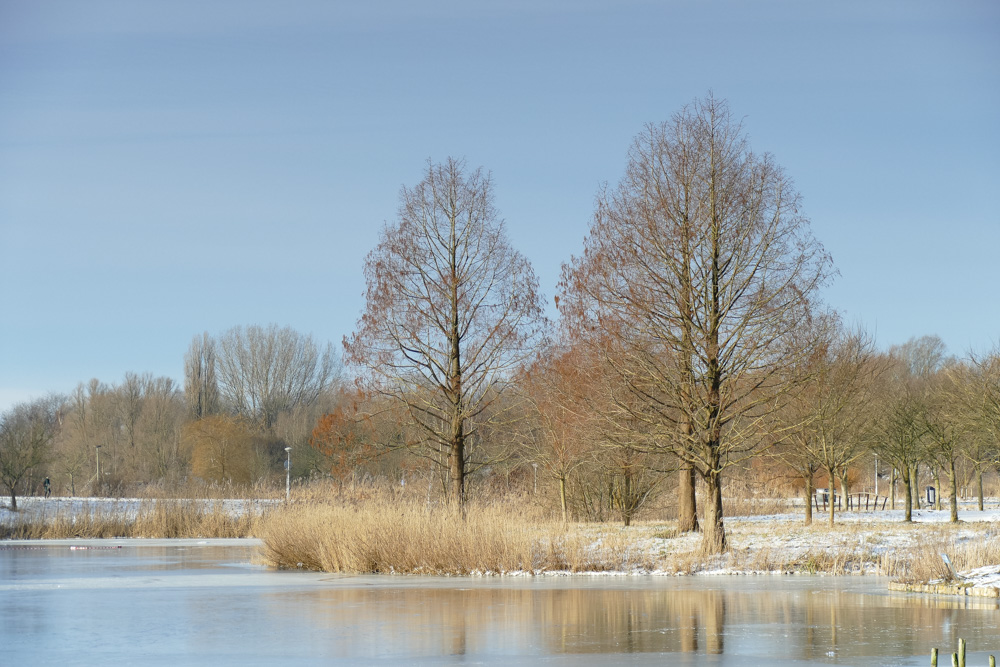
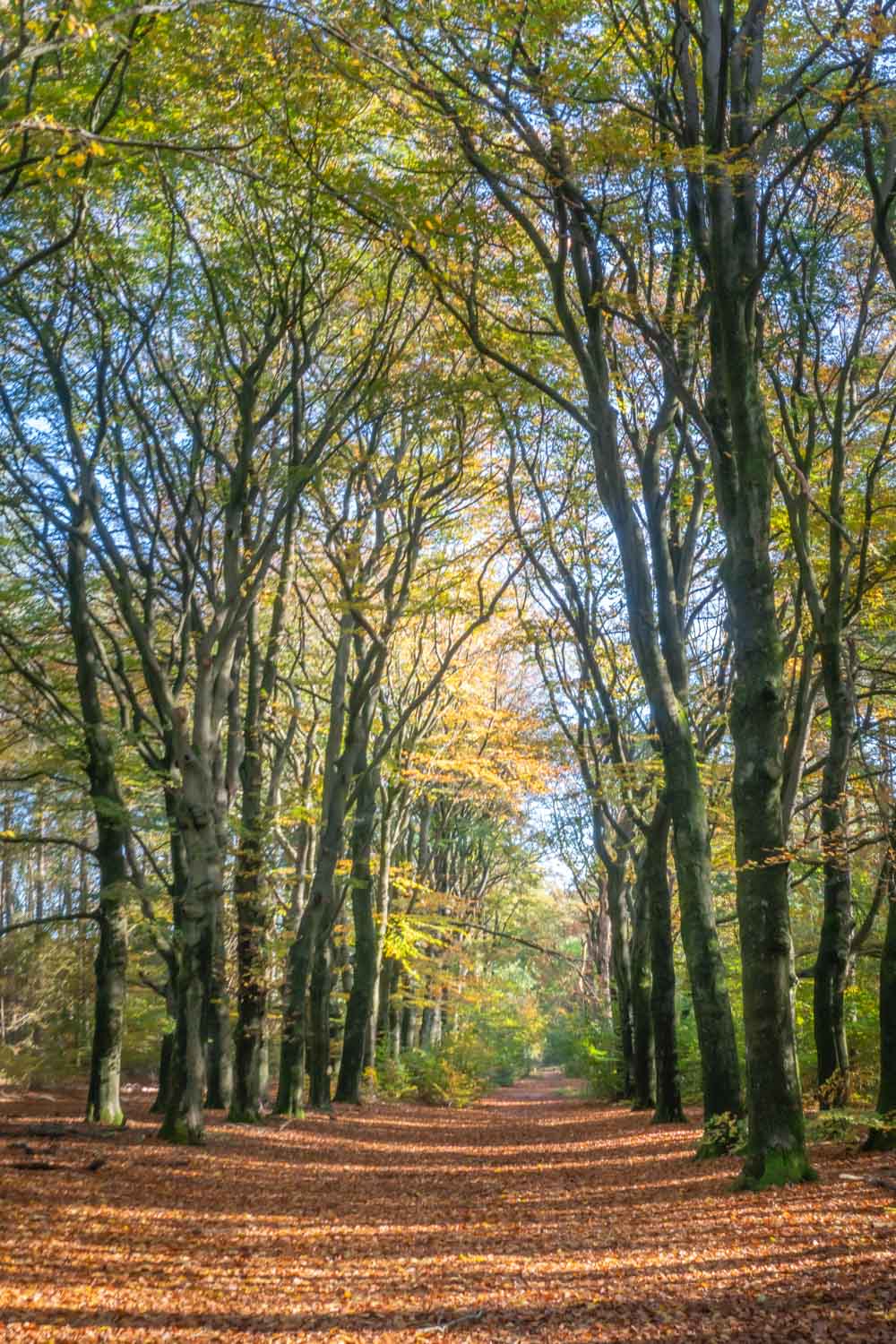
Stately and dignified. Three beautiful water cypresses (Chinese giant sequoia) near the water in the winter park nearby. When I went back later in the year to get more close-up photos, in order to identify the trees, I had to search for a long time to find the place again, they looked so different in the fall!… IUCN Red List of Threatened Species – Conservation Status: Endangered. Bijlmer meadow, Amsterdam, Netherlands.Two trees on the heath in evening light. Two beautiful solitary trees in the evening sun on the Westerheide. Goois Nature Reserve, Hilversum and Laren, The Netherlands.Impressive beech lane in autumn. Stately lane with high beech trees through the forest on a sunny autumn day. Spanderswoud, Goois nature reserve. ‘s-Graveland, Hilversum, Netherlands
Miniature plants and crawly creatures
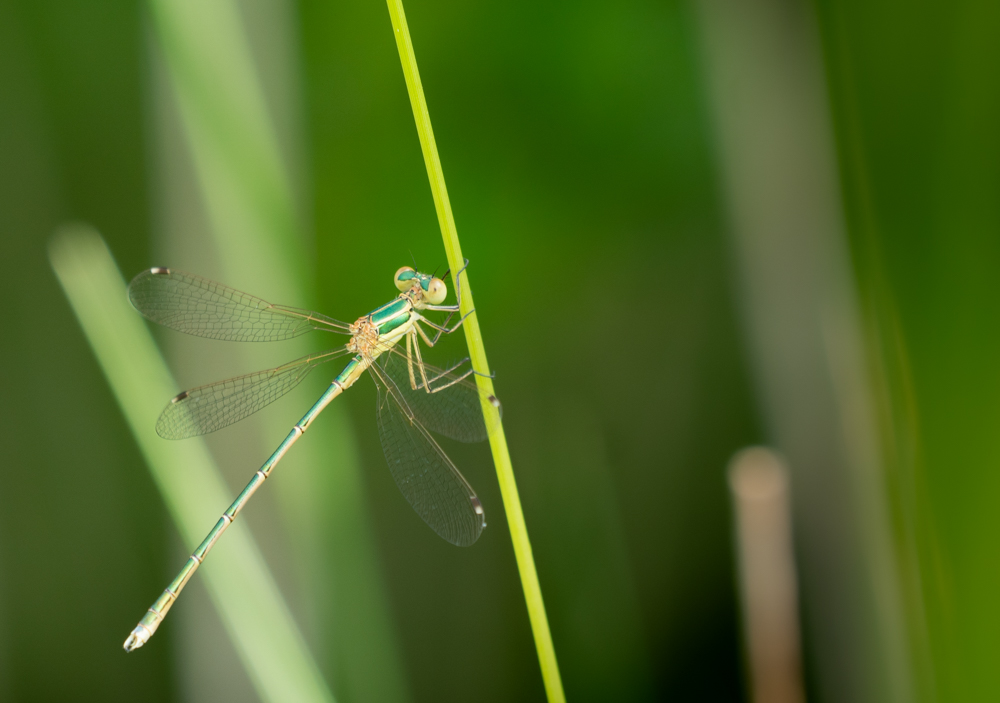
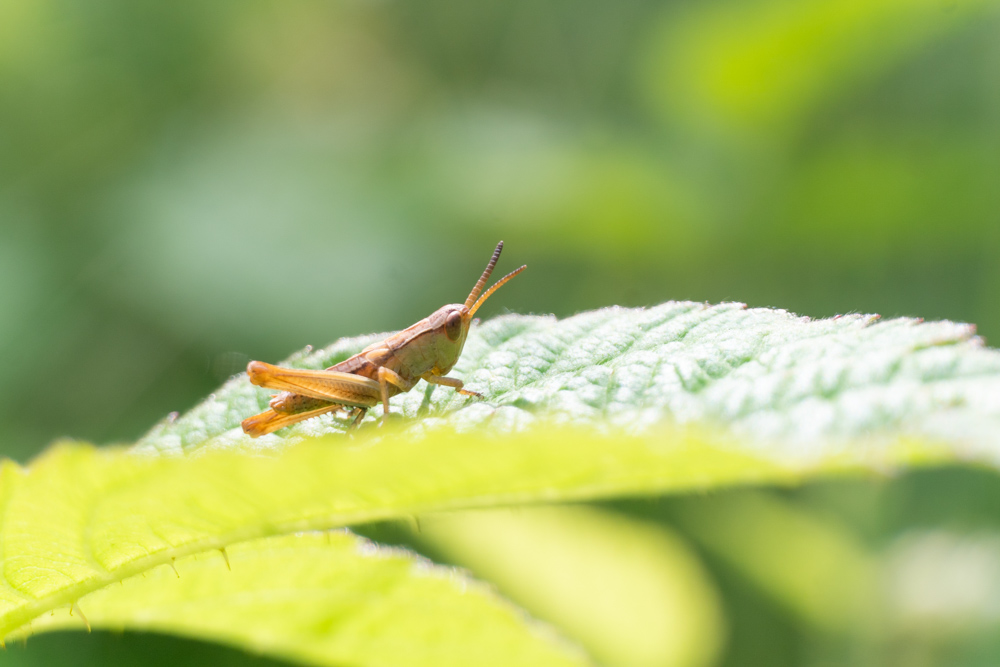
Friendly and vulnerable, the soft pink flowers of May flowers. May flowers, also called cuckoo flowers, lady’s smock, or milkmaids ( in Dutch Pentacost flowers) beautiful spring wildflowers growing along the river Gein. Macro – close up. Abcoude, Province of Utrecht, Netherlands.Emerald green damsel. Shy emerald damselfly, female, sitting on a blade of grass. Braakman North, Biervliet, Zeeland, NetherlandsMiniature in the forest. Brown mini mushrooms among lichen (possibly Dove Heather Match – C. macilenta), on dead wood. s’Gravelandse buitenplaatsen (Country Estates), ‘s Graveland, North Holland, Netherlands.Young grasshopper Nymph of Grasshopper – Acrididae (possibly Coastal Grasshopper – Chorthippus albomarginatus). Braakman North, Biervliet, Zeeland, Netherlands
Landscapes
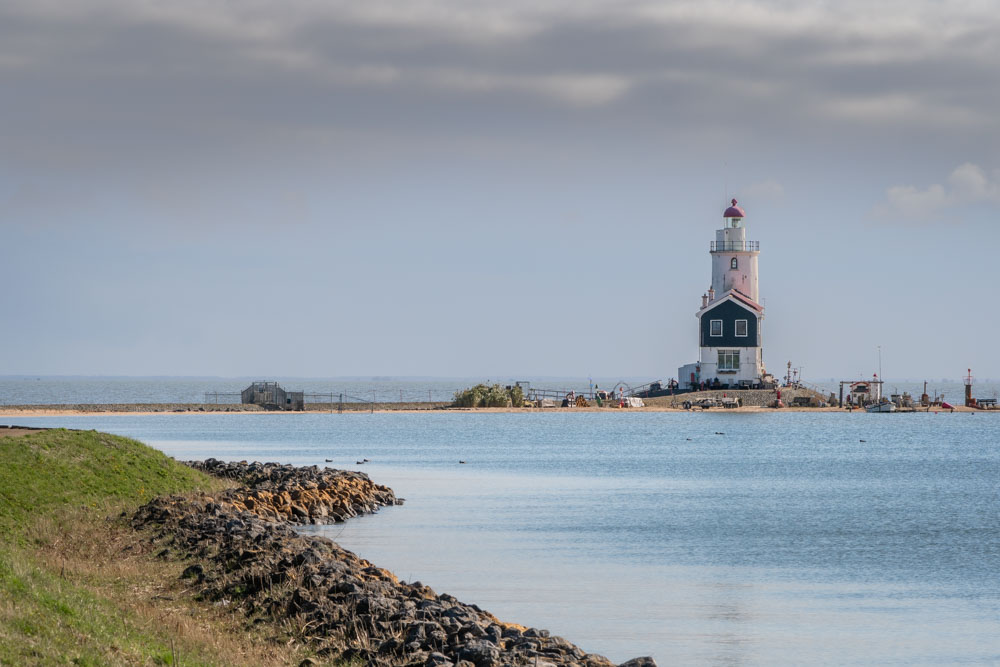
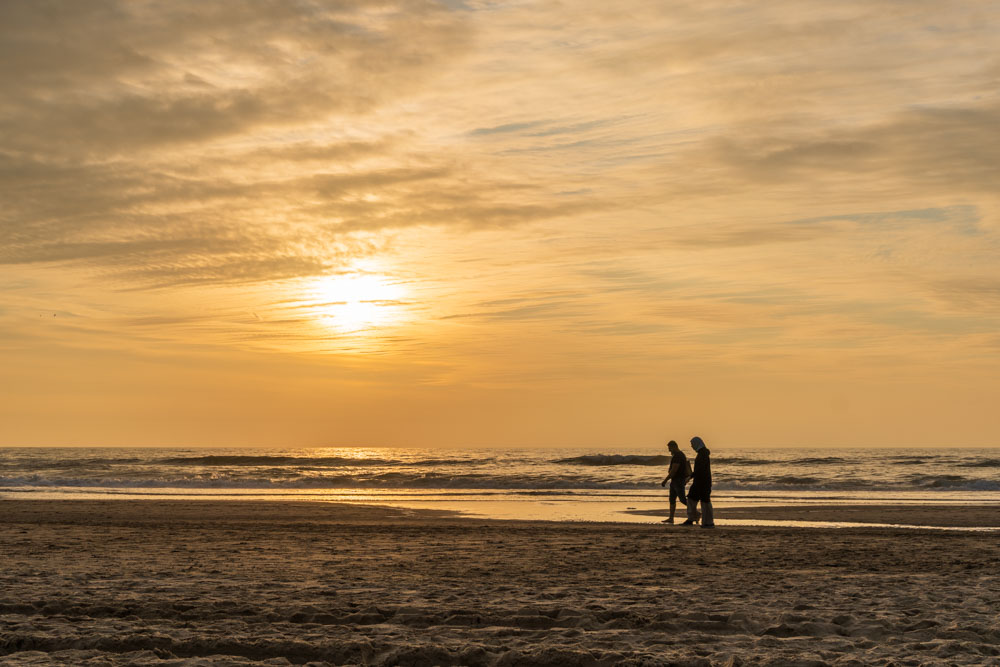
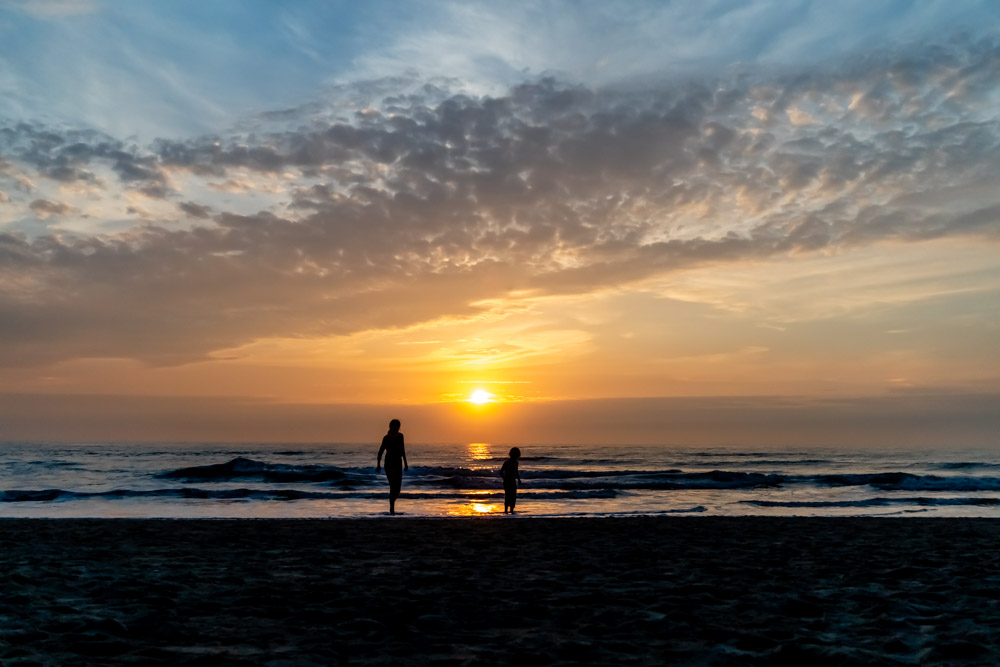
Lighthouse the Horse of Marken seen from a less familiar perspective. Markermeer, Marken, the NetherlandsEvening walk by the sea. Orange sunset with two hikers – silhouettes. Egmond aan Zee, North Holland, Netherlands.Playing along the high tide line until the sun goes down Two children play for a while by the water at sunset. Egmond aan Zee, North Holland, Netherlands.
Street photography
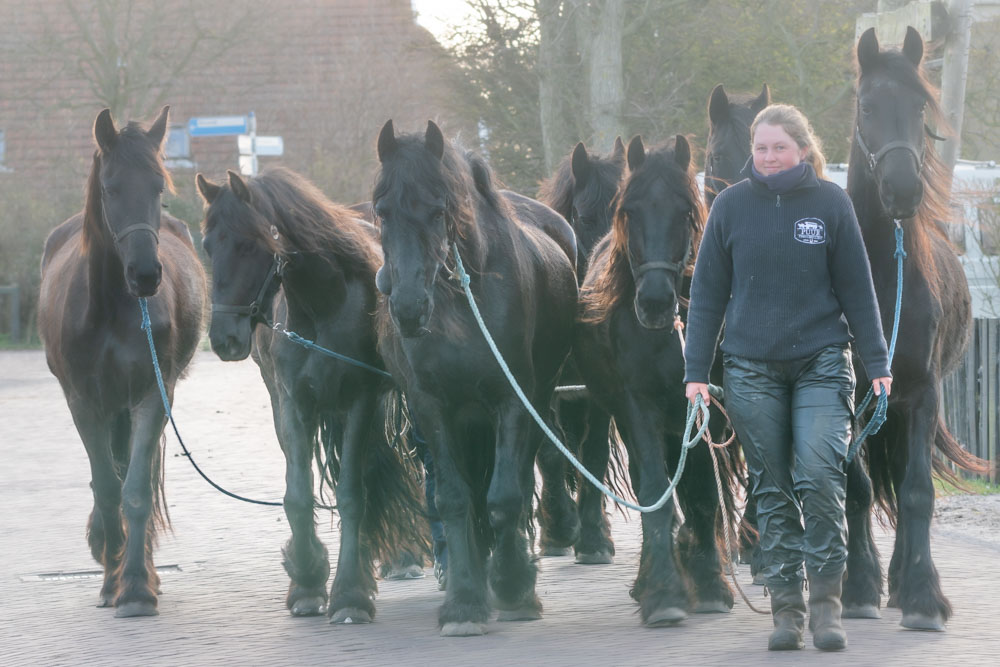
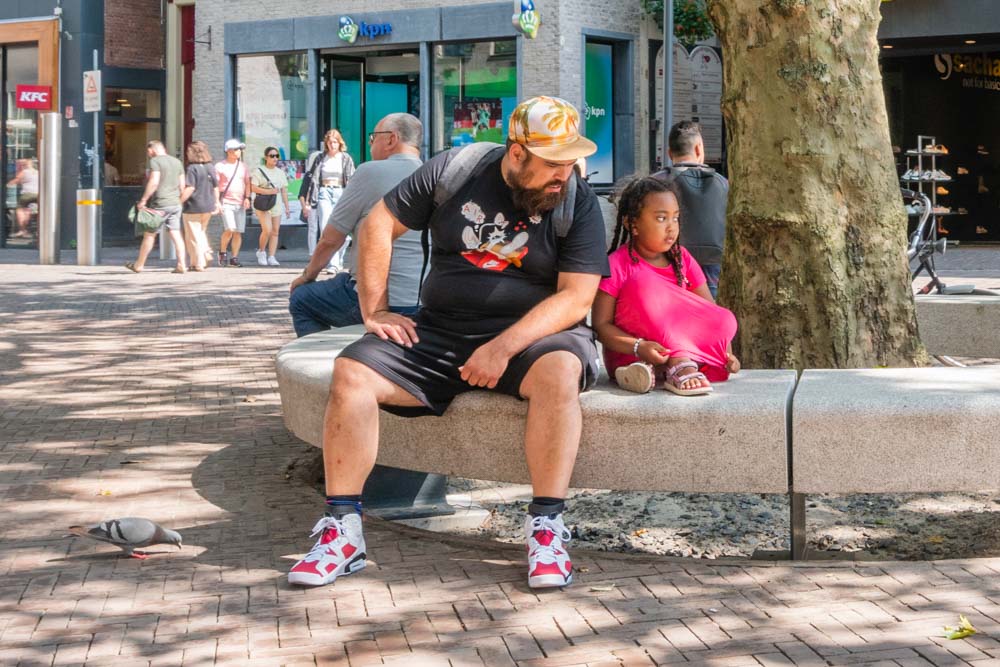
Early morning with the Friesian horses. A young woman, a co-worker of ‘Puur Terschelling’ brings a group Friesian horses on the reins to the stable. Oosterend, Terschelling, province Friesland, the NetherlandsA moment among us. Man and child sit together on a street bench on a sunny shopping day with social distancing restrictions. Street photography, Utrecht, Netherlands.Outing in corona time. Four girls in the Amsterdam Bijlmer ArenA train station with facemasks on, check their smartphones for the selfies they have just taken. Streets of Amsterdam, Street Photography, Amsterdam, Netherlands
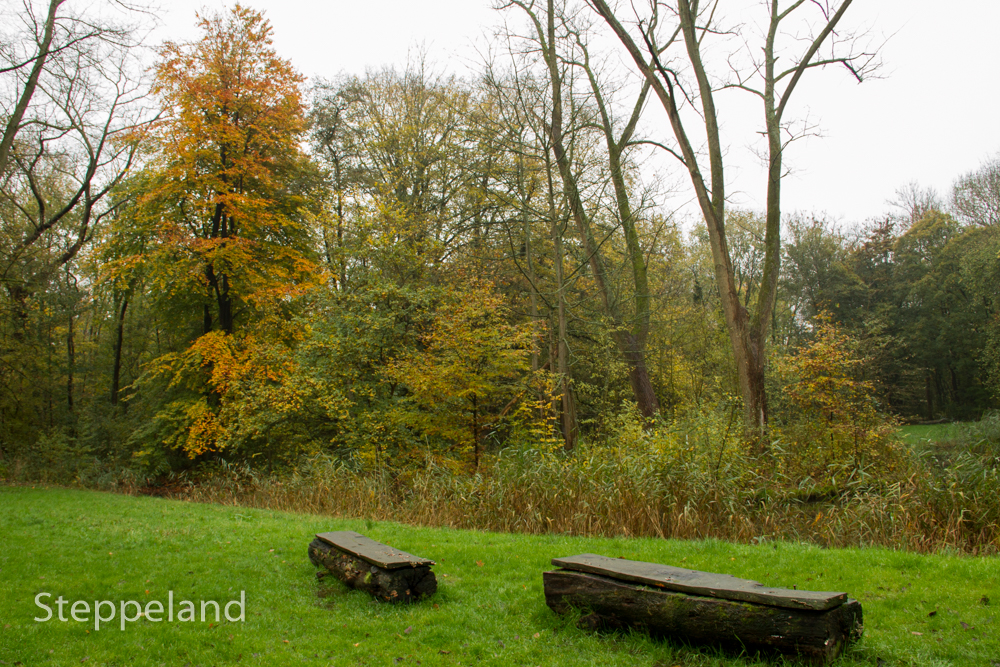
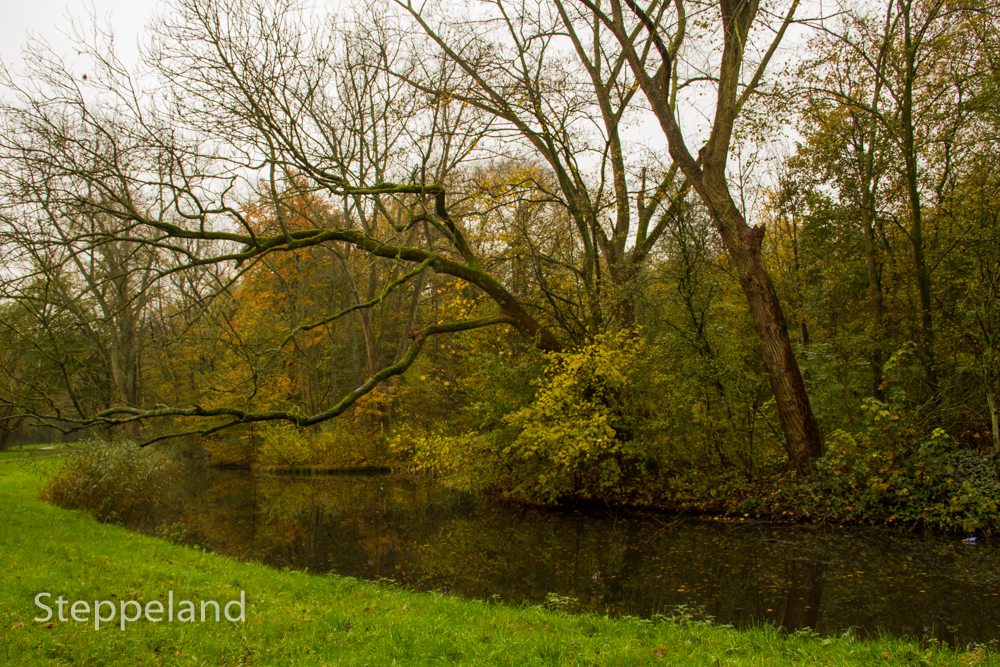
The W.H. Vliegenbos (W.H. Vliegenforest) in Amsterdam North is the oldest city forest of the city council of Amsterdam. It was created between 1910 and 1918 on the initiative of the socialist councillor W.H.Vliegen, who wanted a forest close to Amsterdam for the workers to be able to go for a walk and enjoy nature.
While the forest has some park-like elements, with an asphalted path and some benches and nice water features, for the largest part (about 15 ha) it is forest, existing of dry and wet Ash-Elms woods. Next to ash trees and elms it also has many poplars and maples, a great variation in structure, and a large diversity of trees, bushes and undergrowth . The remarkable high number of Elms in this forest is due to the very strict policies the city of Amsterdam observes with regard to the Elms disease. Because of this, the W.H. Vliegenbos is the largest still existing Elms-rich forest of the Netherlands, and maybe even of Western Europe.
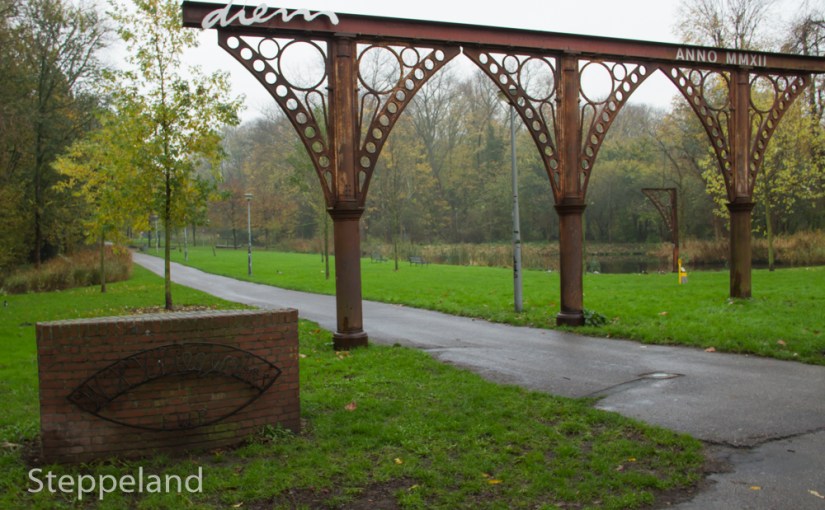
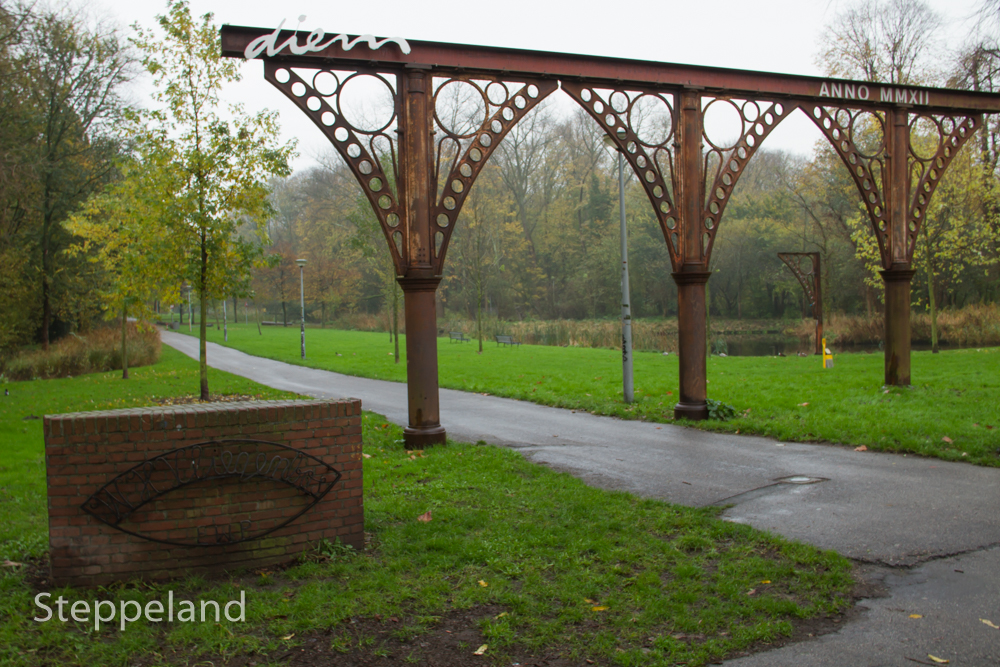
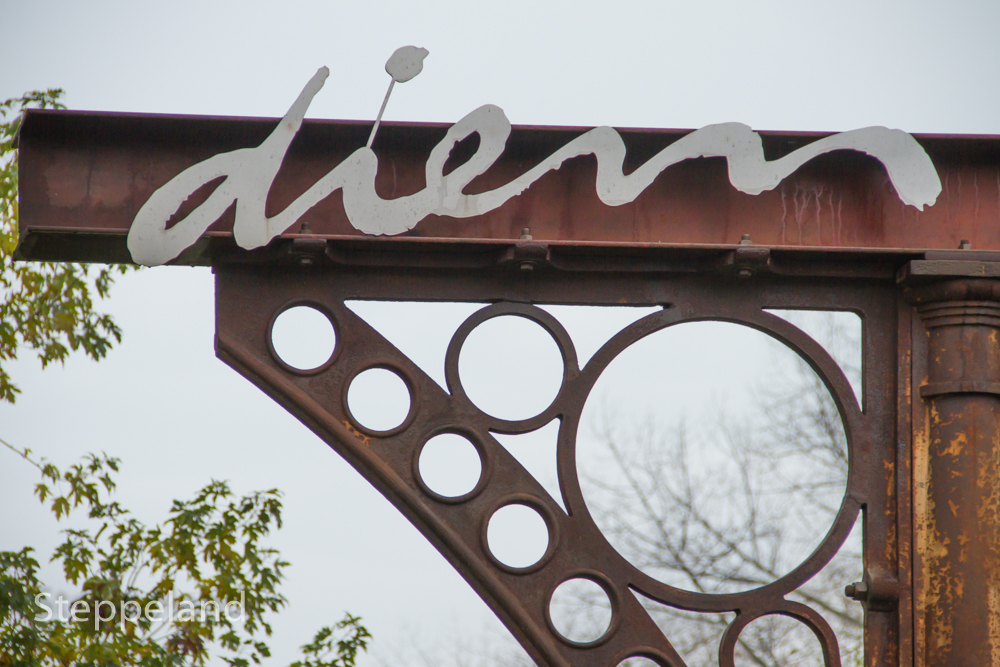
At the entrance of the Vliegenforest, some large cast-iron arches draw the attention. These arches originate from the old Parisian Market halls, that were demolished in 1971. The Amsterdam artist Peter Diem purchased some of those arches, and donated them to the city council. They were restored and now serve as a remarkable entrance to this city forest.
– All these photo’s were made during the first test-photoshoot with the rented Canon EOS 7D camera (see my previous blog post) –
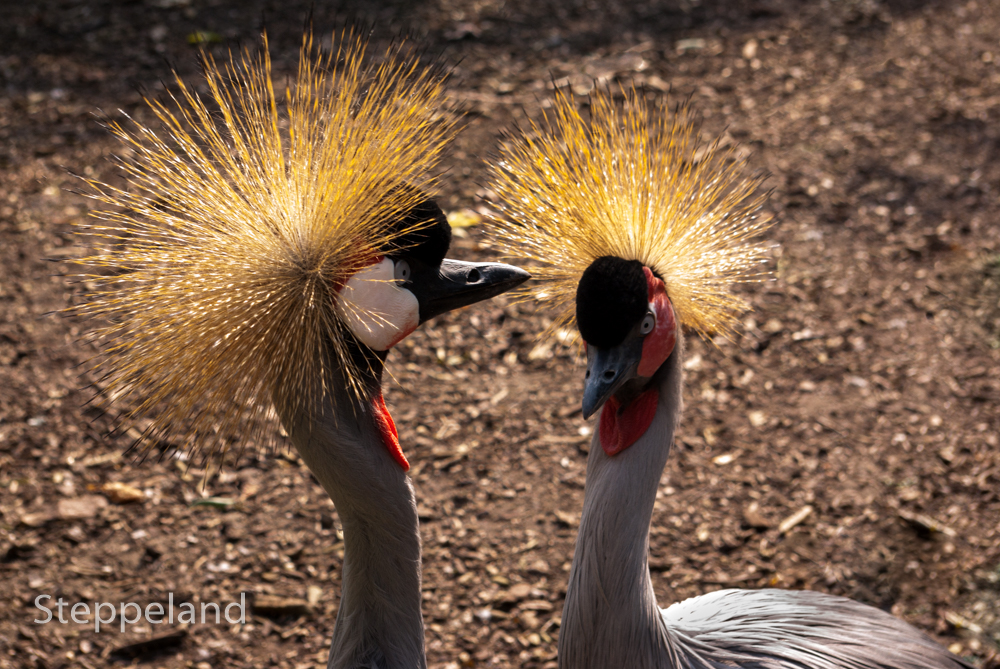
Photo made in ‘de Oliemeulen’ zoo in Tilburg, the Netherlands – Sept. 22, 2014
“Grey crowned cranes (Balearica regulorum) are native to the dry savannah in Africa south of the Sahara, although it nests in somewhat wetter habitats. They can also be found in marshes, cultivated lands and grassy flatlands near rivers and lakes in eastern from the Uganda and Kenya, south to South Africa. This animal does not migrate.
The grey crowned crane has a breeding display involving dancing, bowing, and jumping. It has a booming call which involves inflation of the red gular sac. It also makes a honking sound quite different from the trumpeting of other crane species.
These cranes are omnivores, eating plants, seeds, grain, insects, frogs, worms, snakes, small fish and the eggs of aquatic animals. Stamping their feet as they walk, they flush out insects which are quickly caught and eaten. The birds also associate with grazing herbivores, benefiting from the ability to grab prey items disturbed by antelopes and gazelles. They spend their entire day looking for food. At night, the crowned crane spends it time in the trees sleeping and resting.
The grey crowned crane is the national bird of Uganda and features in the country’s flag and coat of arms.
Although the grey crowned crane remains common over much of its range, it faces threats to its habitat due to drainage, overgrazing, and pesticide pollution. In 2012 it was uplisted from vulnerable to endangered by the IUCN.” Source: Wikipedia
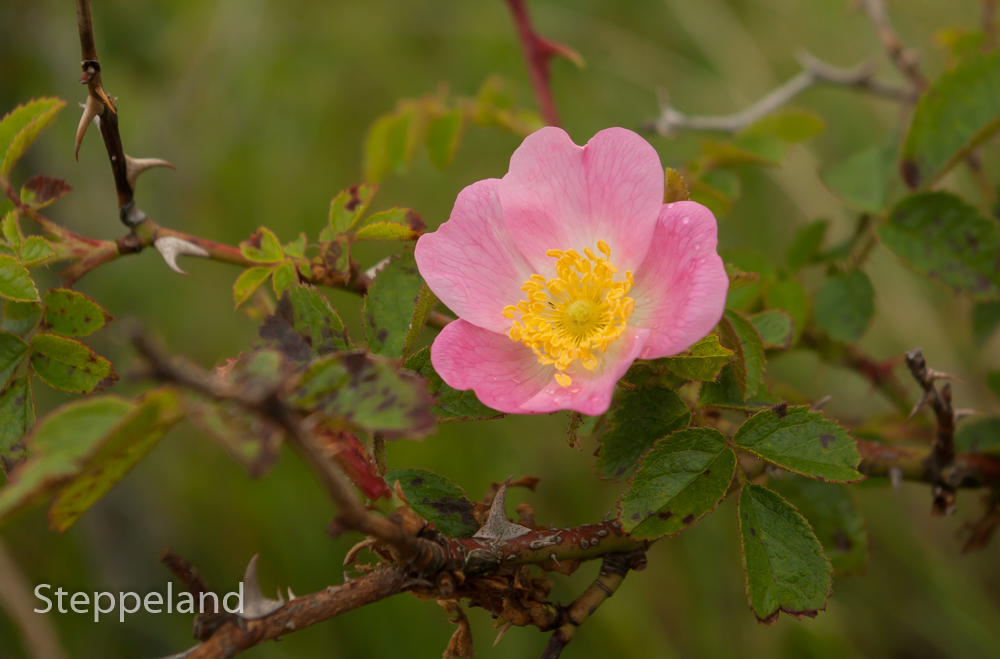
Young, soft pink Eglantine rose with yellow stamens and tiny drops of dew on the petals, on an old and thorny bush… Photo made in North Holland Dunes Reserve, June 8, 2014.
The choice for this image to post today was inspired by a poem of georgetteann : Grief – May this image bring some gentle comfort and hope to anyone who has lost a loved one recently or longer ago – and still silently cries at night about the loss…
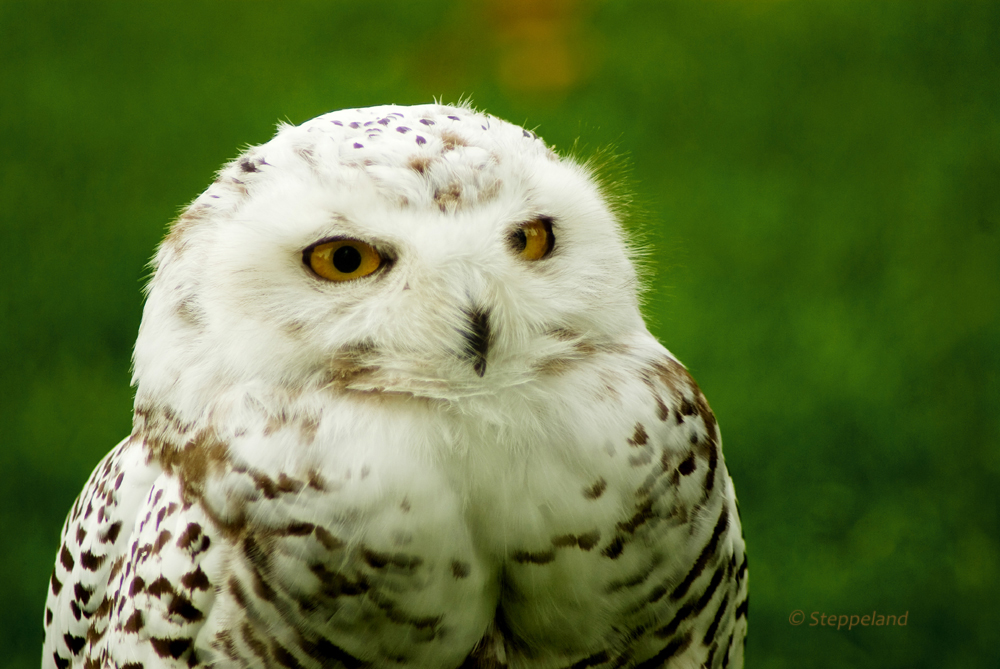
This Snowy Owl was photographed in Pairi Daiza zoo, a marvellous themed zoo on the grounds of a previous abbey in Brugelette, Belgium.
The Snowy Owl (Bubo scandiacus) is a large owl, typically found in the northern circumpolar region, where it makes its summer home north of latitude 60 degrees north. However, it is a particularly nomadic bird, and because population fluctuations in its prey species can force it to relocate, it has been known to breed at more southerly latitudes. (source: Wikipedia )










 Discovering Beauty