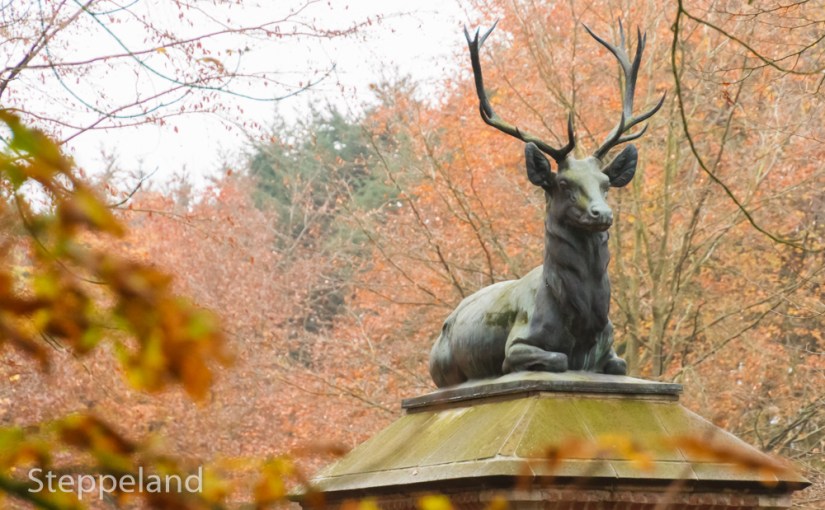
With these two majestic deer statues, photographed in the woods of Palace Het Loo, I will end this little series about Palace het Loo. All these images were made in Crown Domain ‘het Loo’, Apeldoorn, the Netherlands, during a panel testing day with the Tamron 16-300 mm F3,5-6,3 DiII VC PZD zoom – organized by the Dutch photography Magazine ‘Focus’ . Hope you enjoyed checking them out!
Majestic deer statue on a gate post in the Palace woodsHead of the deer statue in profileProfile of the deer statue in the autumn woods
Photographed in Crown Domain ‘het Loo’, Apeldoorn, the Netherlands, during a panel testing day with the Tamron 16-300 mm F3,5-6,3 DiII VC PZD zoom – organized by the Dutch photography Magazine ‘Focus’ .
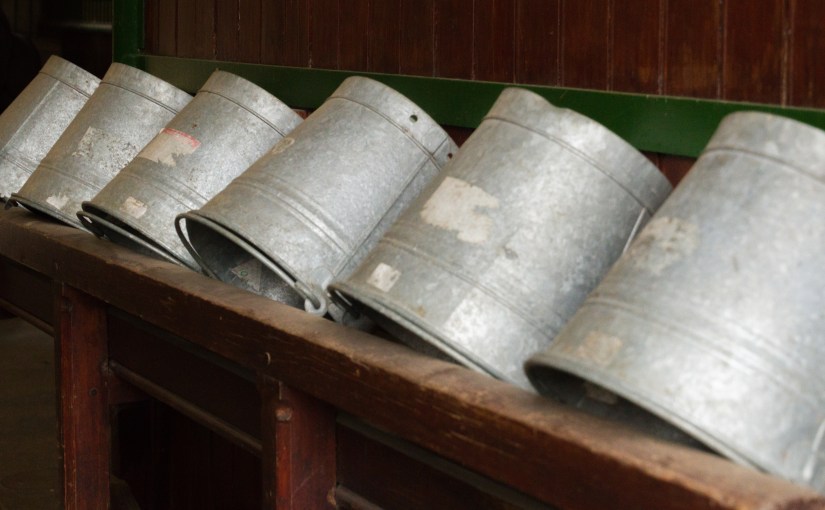
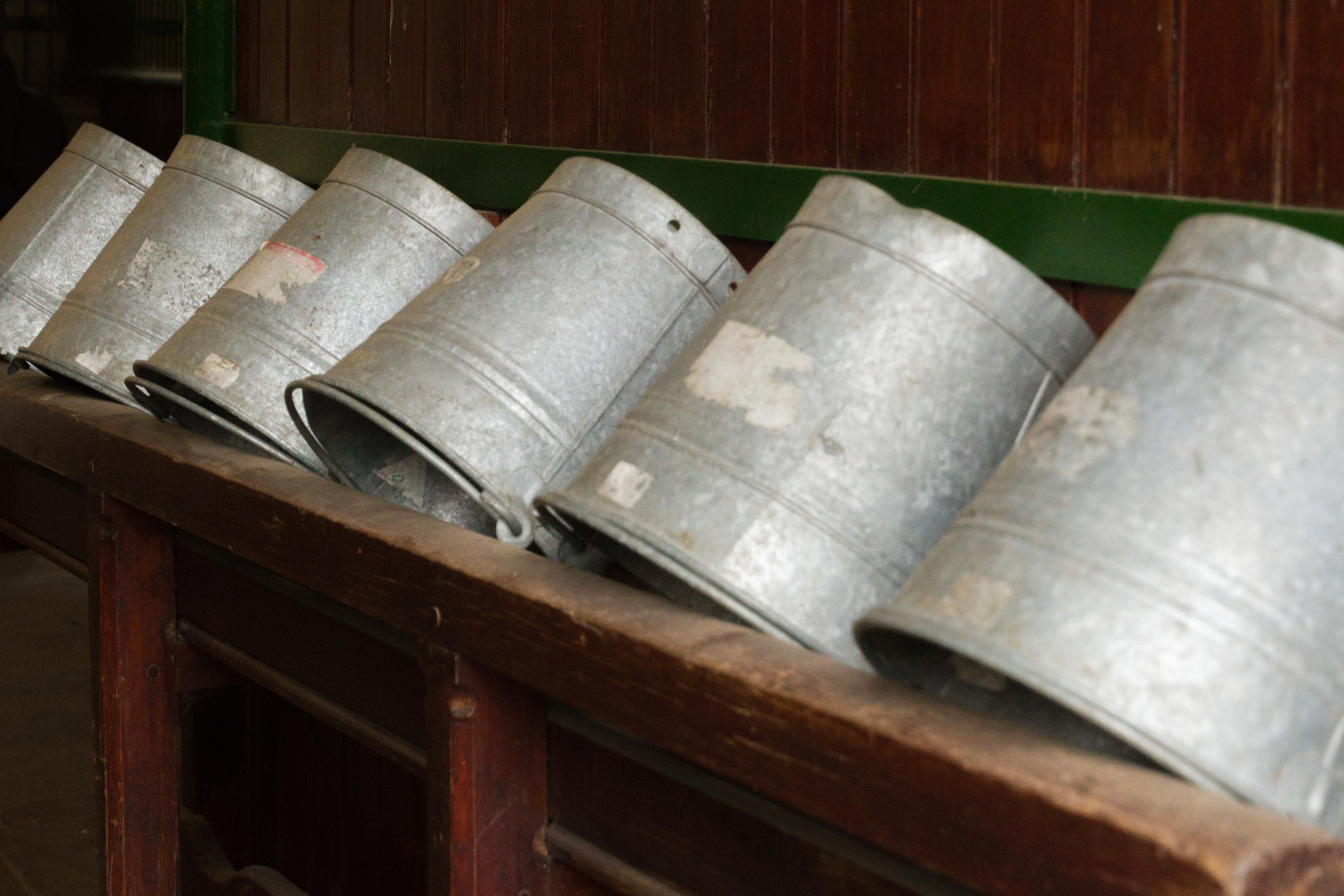
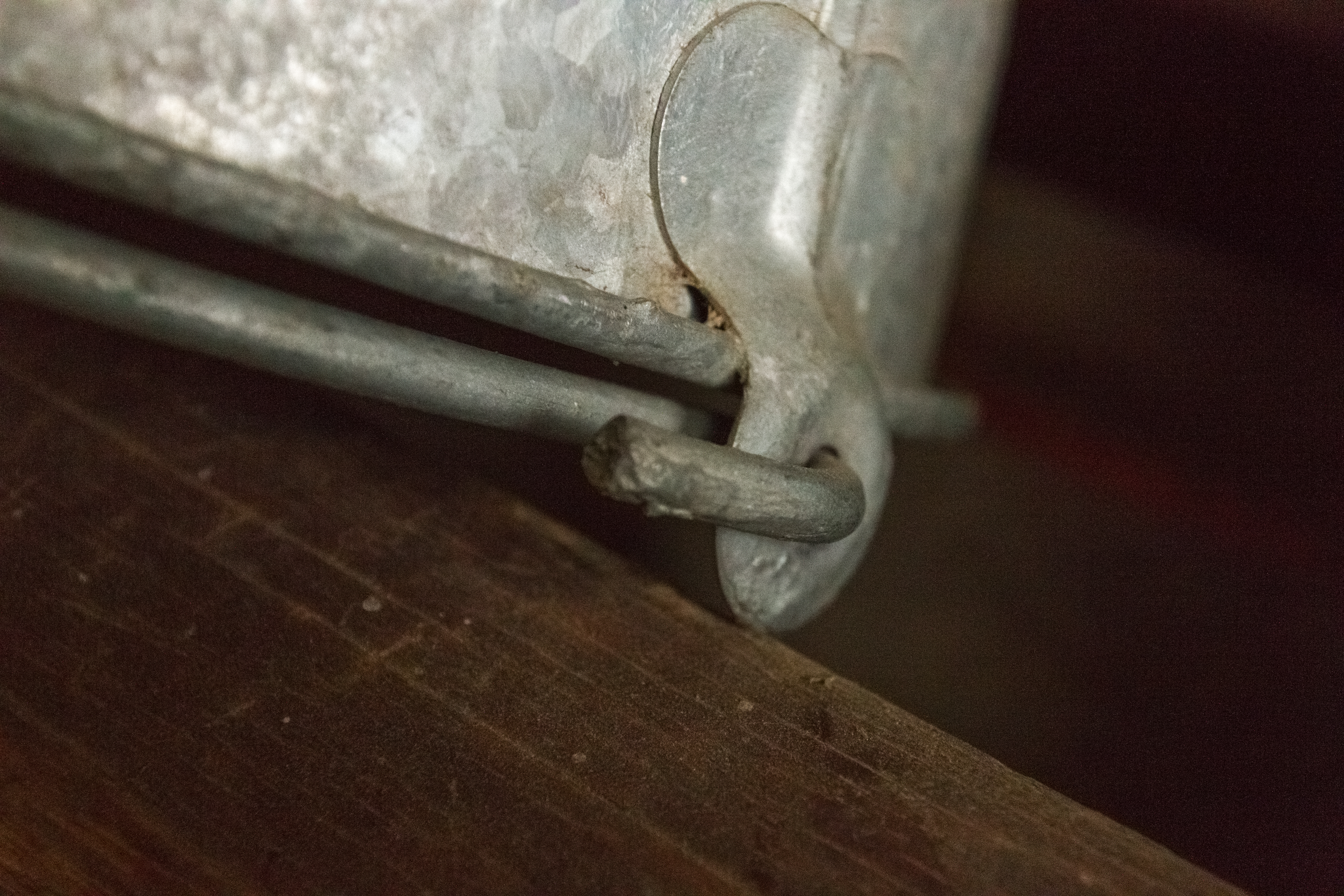
Even in the Royal Stables buckets are still bucketsBucket detail in the Royal Stables
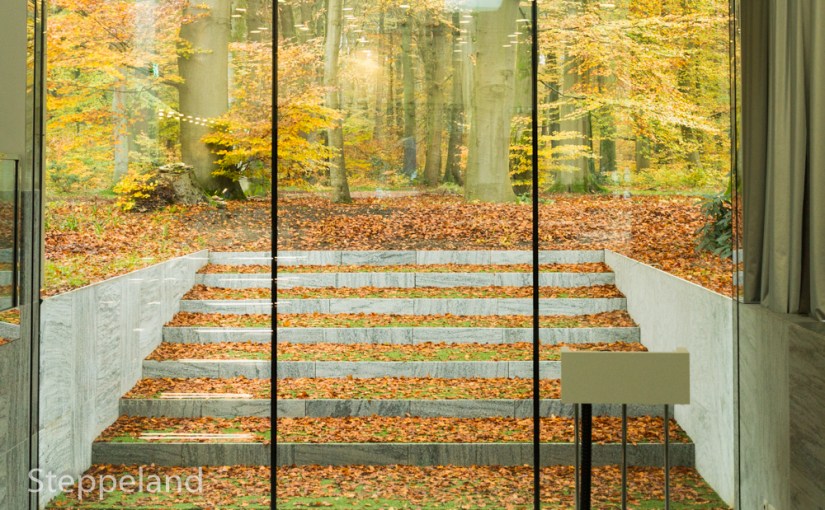
Entree building of Palace Het Loo, modern architecture by architect Koen van Velsen. The combination of windows, stairs, mirrors and reflections of the autumn landscape outside makes for a abstract impression . Photographed in Crown Domain ‘het Loo’, Apeldoorn, the Netherlands, during a panel testing day with the Tamron 16-300 mm F3,5-6,3 DiII VC PZD zoom – organized by the Dutch photography Magazine ‘Focus’ .
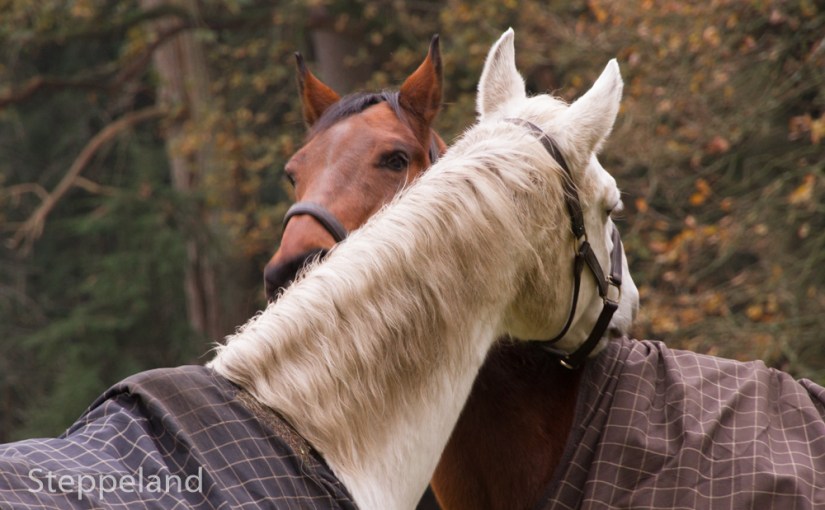
Two horse, a white and a brown one, in one of the meadows of the Royal Crown Domain ‘Het Loo’ – I experimented further with the Tamron 16-300 mm F3,5-6,3 DiII VC PZD zoom – from tele to wide angle, from very high to shallow depth of field… I’m quite happy with the result of this little series!
Two horses in a meadow, on an autumn day
Equine embraceGrazing white horse – close-upComing closer
Yesterday I participated in a testing panel day, organized by the Dutch photography magazine “Focus”. A group of 12 readers was invited to try out the new, award winning Tamron 16-300 mm F3,5-6,3 DiII VC PZD zoom lens.
16 mm wide angle to 300 mm zoom in one lens… what does that look like?
Well, we went to the Royal Palace “Het Loo” in Apeldoorn, where we could experiment with this awesome lens.
Here is what it looks like:
Royal Stables Palace ‘Het Loo’ – 16mm wide angle
Mare and foal on the weather vane of the Royal stables – 300 mm tele
Such a reach, all within one lens, isn’t that amazing??!!
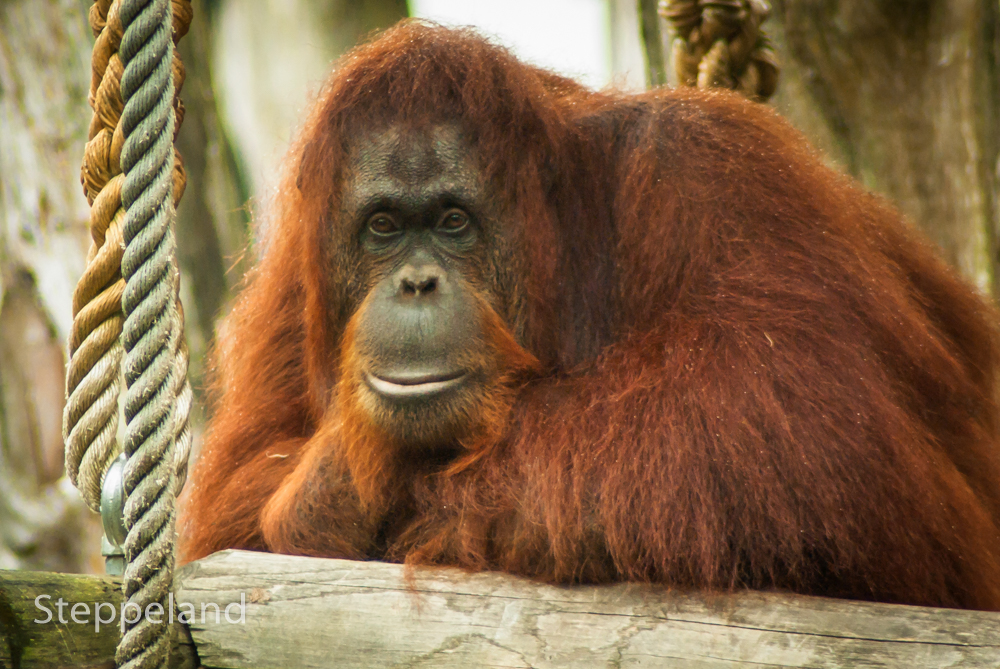
I hope you don’t mind that I’m posting another Orang Utan photo today, Even though it has just a slight motion blur, I didn’t want to withhold it from you 😉
Orangutan with pensive eyes – could we only read it’s thoughts… Photographed in Apenheul zoo, Apeldoorn, the Netherlands
Orangutan
Quote:
“The orangutans are the two exclusively Asian species of extant great apes. Native to Indonesia and Malaysia, orangutans are currently found in only the rainforests of Borneo and Sumatra.
The name “orangutan” (also written is derived from the Malay and Indonesian words orang meaning “person” and hutan meaning “forest”, thus “person of the forest”.
Orangutans are the most arboreal of the great apes and spend most of their time in trees. Their hair is typically reddish-brown, instead of the brown or black hair typical of chimpanzees and gorillas. Males and females differ in size and appearance. Dominant adult males have distinctive cheek pads and produce long calls that attract females and intimidate rivals. Younger males do not have these characteristics and resemble adult females. Orangutans are the most solitary of the great apes, with social bonds occurring primarily between mothers and their dependent offspring, who stay together for the first two years. Fruit is the most important component of an orangutan’s diet; however, the apes will also eat vegetation, bark, honey, insects and even bird eggs. They can live over 30 years in both the wild and captivity.
Conservation status
During the early 2000s, orangutan habitat has decreased rapidly due to logging and forest fires, as well as fragmentation by roads. A major factor in that period of time has been the conversion of vast areas of tropical forest to palm oil plantations in response to international demand. Palm oil is used for cooking, cosmetics, mechanics, and biodiesel. Hunting is also a major problem as is the illegal pet trade. Orangutans may be killed for the bushmeat trade, crop protection, or for use for traditional medicine. Mother orangutans are killed so their infants can be sold as pets, and many of these infants die without the help of their mother.
As a result of all this, both species are on the IUCN Red List of Mammals. The Sumatran species is critically endangered and the Bornean species is endangered.” Source: Wikipedia










 Discovering Beauty